ManufacturingMining

Titan Mining’s Graphite Production Expansion Amid China Export Limits

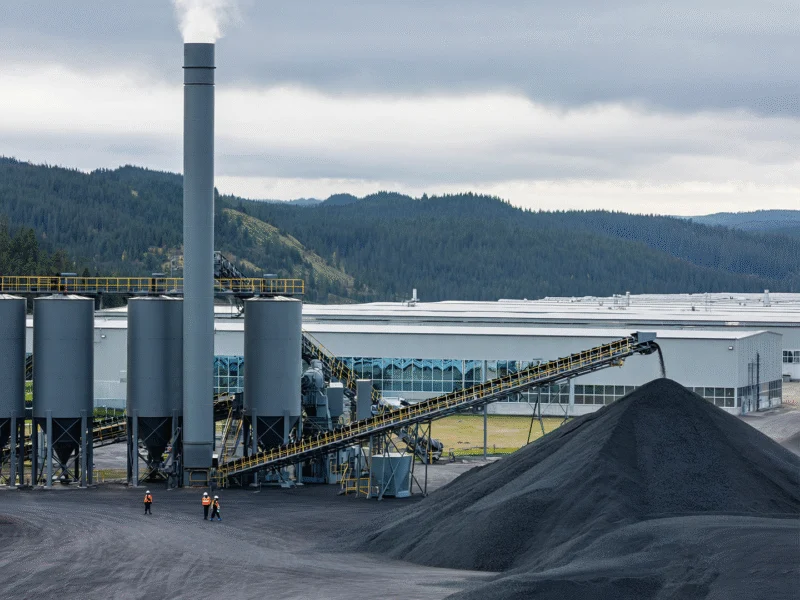
Titan Mining announces graphite concentrate production at its New York facility, with shares soaring 26.8% after China’s expanded export limits. The move aims to supply half of U.S. natural graphite demand, highlighting strategic shifts in global supply chains for EV batteries and renewable energy.

In a significant development for the North American minerals sector, Titan Mining has revealed plans to commence graphite concentrate production at its Empire State Mines in New York, sparking a 26.8% surge in its stock price. This strategic move comes just days after China broadened its export restrictions on critical minerals, underscoring global supply chain vulnerabilities. With an annual output target of 40,000 tonnes, Titan aims to fulfill approximately 50% of the current U.S. natural graphite demand, positioning itself as a key player in reducing dependency on foreign sources.

Graphite’s Critical Role in Modern Technology

CryptographyLegal Careers

Bitcoin Investor Roger Ver Reaches $49.9 Million Tax Settlement with Trump Administration

Roger Ver, the early cryptocurrency investor nicknamed “Bitcoin Jesus,” has reached a landmark settlement with the Trump administration to resolve tax evasion charges. The deferred prosecution agreement could see Ver pay up to $49.9 million while avoiding potential prison time.

The “Bitcoin Jesus” tax resolution

Early cryptocurrency investor Roger Ver, widely known in digital currency circles as “Bitcoin Jesus,” has reached a significant legal resolution with the Trump administration to settle substantial tax evasion charges. According to court documents filed in Los Angeles federal court, Ver agreed to a deferred prosecution arrangement that could require payments totaling $49.9 million to resolve allegations he evaded tens of millions in tax obligations. The settlement represents one of the most notable cryptocurrency-related tax cases resolved during the current presidential administration.

Earth SciencesManufacturing

Scientists Grow Metal Using Revolutionary 3D Printing Process

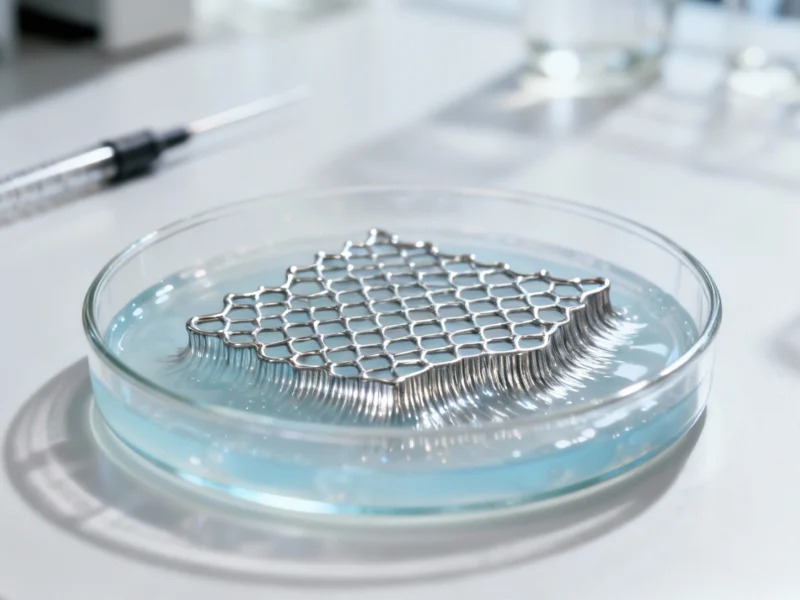
Researchers at EPFL have pioneered a revolutionary approach to metal manufacturing that literally grows metal structures. Using hydrogel templates and metal salt infusions, this method creates components 20 times stronger than conventional 3D-printed metals while significantly reducing material shrinkage.

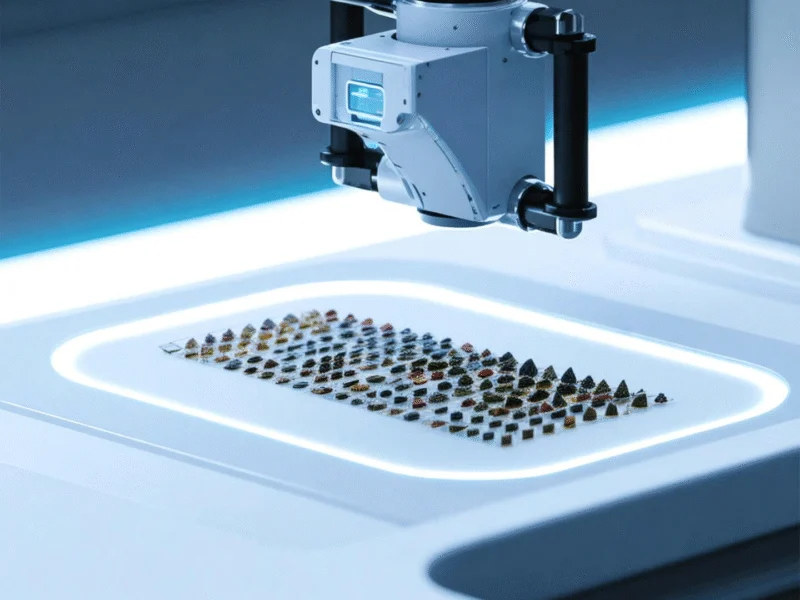
In a groundbreaking development that could transform manufacturing, scientists have discovered how to literally grow metal using an innovative approach that combines hydrogel templates with metal salt infusion. This revolutionary method, developed by researchers at Switzerland’s Ecole Polytechnique Fédérale de Lausanne, represents a significant leap forward in 3D printing technology and additive manufacturing capabilities.

The Limitations of Traditional 3D Printing Methods

ComputingSoftware Guides

Windows 11 October 2025 Patch Tuesday Updates: KB5066835 and KB5066793 Security Fixes and Improvements

Microsoft has deployed its October 2025 Patch Tuesday updates for Windows 11 versions 25H2, 24H2, 23H2, and 22H2. These critical updates address security vulnerabilities, fix browser printing issues, resolve gaming input problems, and introduce compatibility changes including driver removals. Users should install these updates promptly to maintain system security and stability.

Microsoft has officially released its October 2025 Patch Tuesday updates for all supported versions of Windows 11, marking another crucial monthly security deployment. The updates, identified as KB5066835 for Windows 11 25H2 and 24H2, and KB5066793 for versions 23H2 and 22H2, deliver essential security patches alongside numerous functional improvements and bug fixes. These updates continue Microsoft’s commitment to maintaining the security and reliability of its flagship operating system across all supported builds.

Update Details and Build Numbers

Arts and EntertainmentManufacturing

Manufacturing AI Deployment Success Hinges on Strategic Data Preparation

Manufacturers possess vast data streams from machines and sensors, yet struggle to extract actionable insights. Learn how structured data preparation through MES enables successful, scalable AI deployment that drives real operational value.

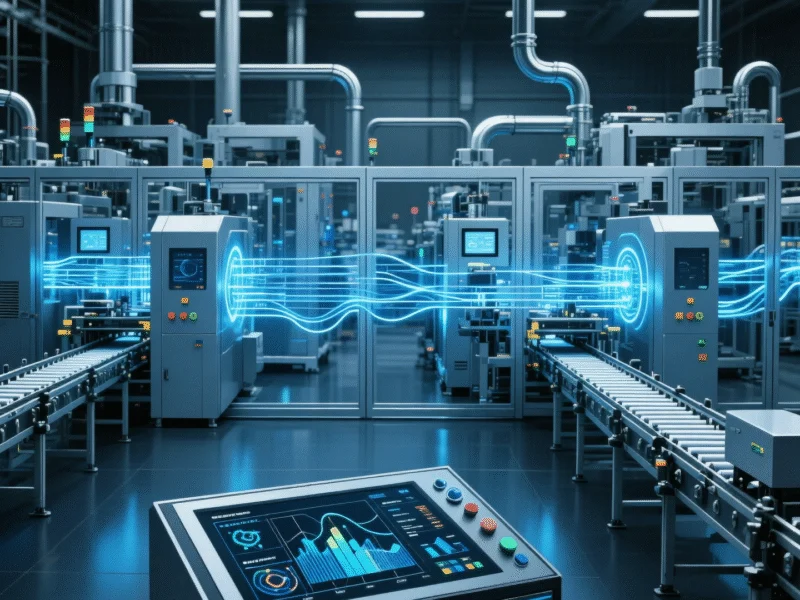
In today’s competitive manufacturing landscape, organizations are sitting on mountains of data generated from every corner of their operations. From sensor networks monitoring equipment performance to production line outputs, the volume of available information continues to grow exponentially. However, the journey from raw data to actionable intelligence remains challenging for many facilities. The promise of artificial intelligence to transform this data into operational excellence is undeniable, but successful implementation requires more than just advanced algorithms.

The critical differentiator between successful and failed AI initiatives lies in the foundational data preparation phase. Without clean, contextualized, and properly structured data, even the most sophisticated AI models will struggle to deliver meaningful insights. This is where Manufacturing Execution Systems (MES) become indispensable, serving as the bridge between disconnected data sources and AI-ready information architectures that support true scalability.

BusinessInternational Business and Trade

China’s Manufacturing Dominance Shakes Western Executives: Automation, EVs, and Global Competition

Western executives visiting China’s manufacturing facilities return with sobering assessments of automated “dark factories” and robotic production lines. From electric vehicles to artificial intelligence, China’s industrial transformation is reshaping global competition and forcing Western companies to reconsider their strategies.

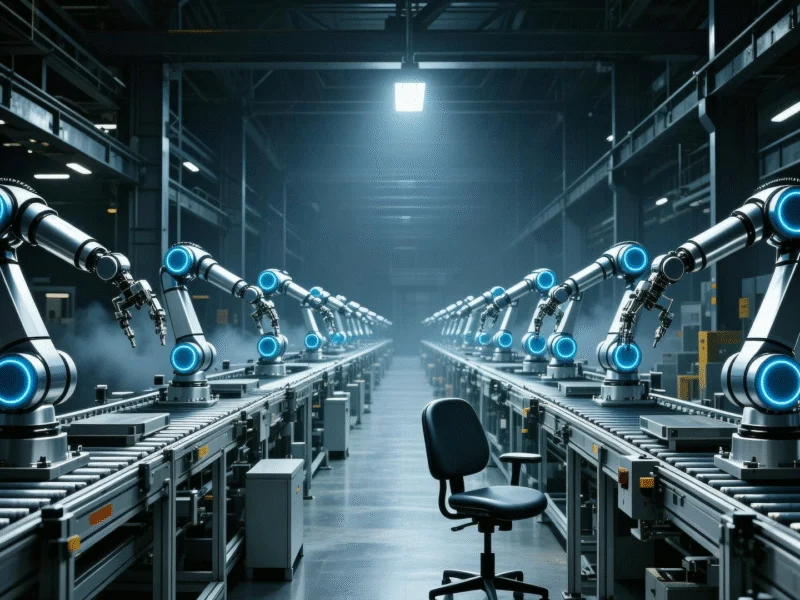
Western automotive and green energy executives are returning from China with sobering assessments of the country’s manufacturing capabilities, describing advanced automation systems that operate continuously without human intervention. These visits have revealed a technological gap that many executives believe could leave Western nations behind in critical industries, particularly electric vehicle production and green energy technologies.

The Reality of China’s Automated Manufacturing