















Microsoft Pauses Windows Insider Builds Until 2026
Microsoft has officially paused its Windows Insider program for the holiday season. The final build of 2025, KB5072043, is now live, with no new previews expected until early next year.

According to Reuters, private equity firm Thoma Bravo is exploring a sale of Imprivata, a digital identity software provider focused on the healthcare industry. The…
According to Reuters, OnlyFans is in exclusive talks to sell a nearly 60% majority stake to the San Francisco-based investment firm Architect Capital. The potential…

According to The Wall Street Journal, engineers at China's Beihang University, a top military-linked school, have trained defensive drones to target and destroy enemy aircraft…

According to HotHardware, the controversy around the censored Nintendo Switch port of the acclaimed indie game 'Dispatch' has taken a new turn. Developer AdHoc Studio…
According to XDA-Developers, a tech journalist with over five years of experience covering Windows has officially stopped signing into the OS with a Microsoft account,…
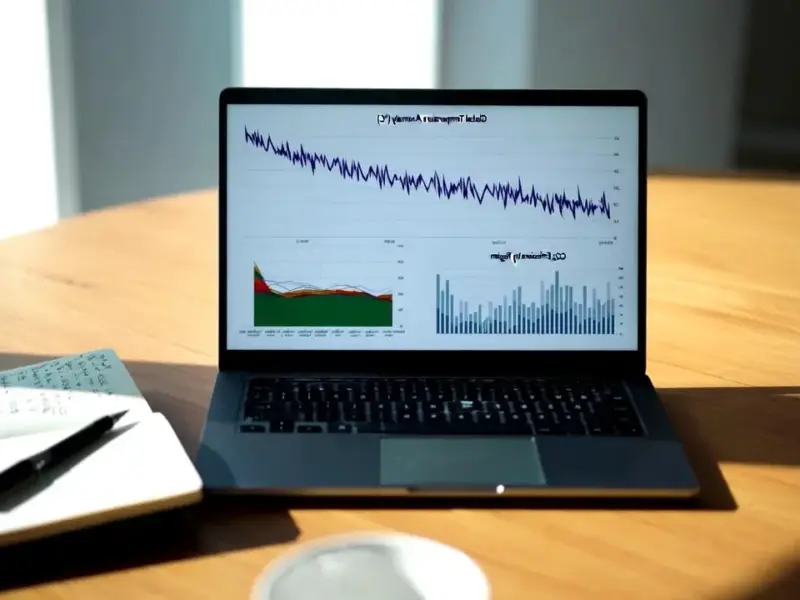
According to Business Insider, Wix CEO Avishai Abrahami is "really worried" about AI's impact on the employment market. He predicts a "massive amount" of roles…
According to Thurrott.com, Microsoft announced earnings for the quarter ending December 31, revealing a net income of $38.5 billion on…

According to TechRadar, security researchers from Palo Alto Networks' Unit 42 have uncovered a new, sophisticated phishing technique that leverages…

According to Forbes, Apple users are now receiving direct deposits from a massive $95 million class-action settlement. The case, Lopez…
According to ZDNet, Linux is set for a major surge in popularity in 2026, driven in part by the end of Windows 10 support. The…
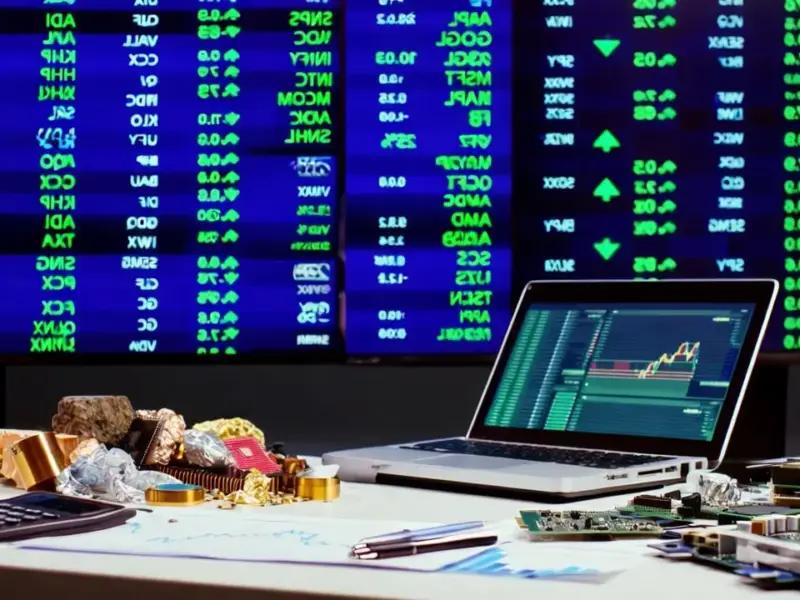
According to Semiconductor Today, the Committee on Foreign Investment in the United States (CFIUS) has formally cleared Wolfspeed's issuance of equity to Renesas Electronics America.…
Microsoft has officially paused its Windows Insider program for the holiday season. The final build of 2025, KB5072043, is now live, with no new previews expected until early next year.
The promise of AI in the workplace is huge, but a major skills gap persists. The solution isn’t just new hardware, but a focus on “everyday digital fluency” and building trust within organizations.
Wall Street’s top strategists are forecasting the bull market to continue into 2026, albeit at a slower pace. The average year-end target for the S&P 500 is 7,629, representing an 11.6% gain from current levels, according to a CNBC survey.
The next year in data collection will be defined by legal uncertainty over AI training and a major technological pivot. The focus is shifting from hoarding massive datasets to ensuring high-quality, legally compliant information, powered by new AI tools.
AI agents are being deployed rapidly, but a lack of guardrails is creating new risks. According to a PagerDuty executive, the key is balancing autonomy with human oversight and explainability. Security can’t be an afterthought.
A first-of-its-kind energy storage facility in Sardinia uses a giant dome of carbon dioxide to store 200 megawatt-hours of power. The tech, which can be built almost anywhere, is now being deployed by Google and major utilities to back up renewable grids.
The Samsung Galaxy S26 series might see a significant delay, with two tipsters suggesting it won’t go on sale until March 2026. This would mark a major shift from Samsung’s typical launch cadence and cause it to miss the crucial Chinese New Year sales period.
According to a new paper, the first alien signal we detect won’t be a calm “hello.” It’ll more likely be a deafening, anomalous scream from a civilization in crisis. This “Eschatian Hypothesis” suggests we’re biased toward detecting extreme, terminal events, not typical neighbors.