BusinessSemiconductors

How the CHIPS Act Semiconductor Funding Can Benefit Workers and Communities

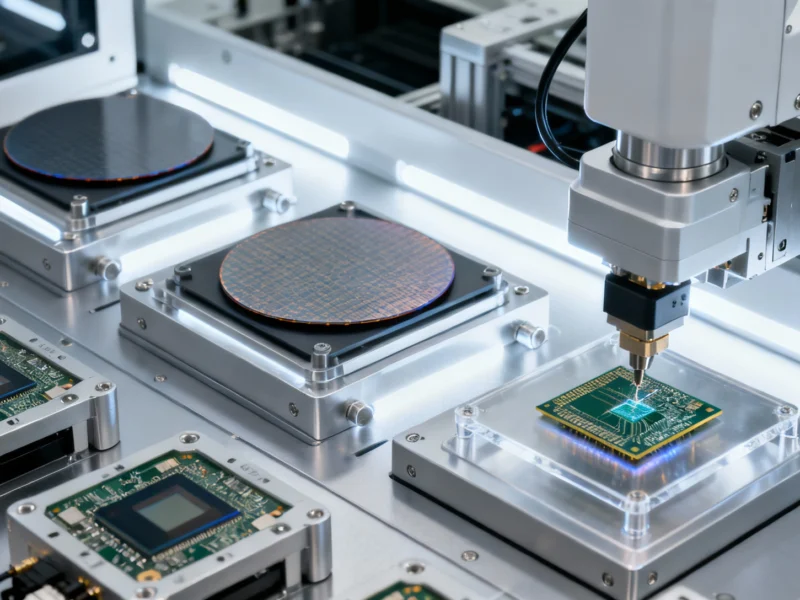
The bipartisan CHIPS and Science Act represents America’s largest industrial policy effort in decades, pouring billions into domestic semiconductor manufacturing. While early results show significant corporate investment, concerns remain about whether workers and communities will share in the benefits of this historic government intervention.

The United States is undertaking its most ambitious industrial policy initiative since World War II through the bipartisan CHIPS and Science Act of 2022, a multibillion-dollar effort to reshore semiconductor manufacturing and secure America’s technological future. Recent assessments from an Arizona State University conference highlight both the promise of renewed industrial capacity and serious concerns about whether these unprecedented public investments will truly benefit workers and communities rather than simply enriching already profitable corporations.

CHIPS Act Implementation and Early Results

BusinessStartups

Activist Investor Irenic Capital Urges Atkore to Explore Sale After Taking Stake

Activist investor Irenic Capital Management has acquired a 2.5% position in Atkore and is pushing the company to explore a potential sale. The move comes as Atkore faces significant operational challenges and leadership uncertainty following CEO Bill Waltz’s unexpected retirement announcement.

Activist investor Irenic Capital Management has taken a significant 2.5% stake in electrical products manufacturer Atkore and is urging the company to pursue a potential sale process. The activist’s intervention comes at a critical juncture for Atkore, which has seen its market value decline dramatically from early 2024 highs of $190 per share to approximately $60 per share amid operational missteps and leadership uncertainty.

Irenic Capital’s Activist Background and Strategy