
Arts and EntertainmentGaming Hardware

OpenAI Broadcom Partnership: Custom AI Chips Deployment Strategy

OpenAI announces strategic collaboration with Broadcom to design and deploy custom AI accelerators. This partnership aims to optimize hardware performance for advanced AI models while addressing the growing demand for specialized computing infrastructure in the rapidly expanding artificial intelligence sector.

OpenAI has entered a strategic partnership with semiconductor giant Broadcom to develop and deploy custom AI chips, marking a significant move in the competitive artificial intelligence hardware landscape. This collaboration represents OpenAI’s latest effort to secure specialized computing infrastructure needed to power its advanced AI models like ChatGPT and Sora 2, which now boast 800 million weekly active users according to company data.
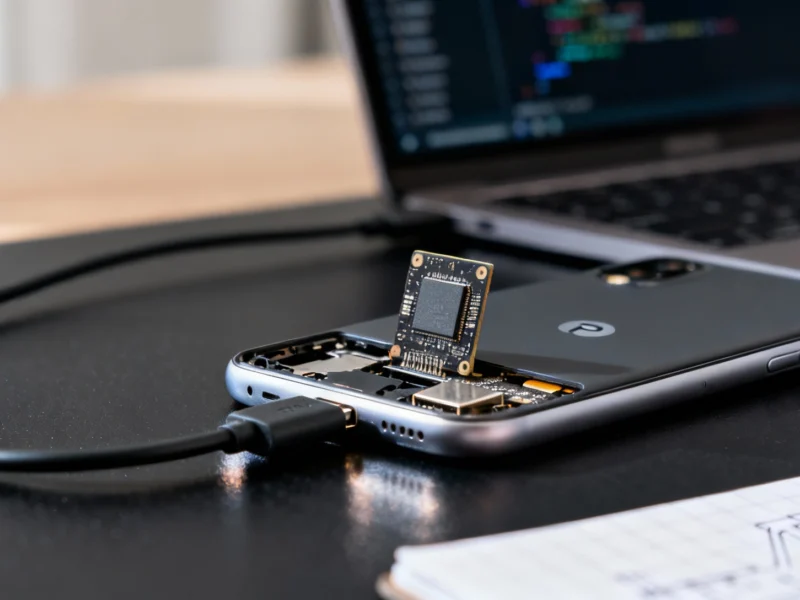

Strategic Partnership Details

Assistive TechnologyGaming Hardware

Google Tensor G5 Chip Throttling Issues Expose Fundamental Design Flaws

Google’s new Tensor G5 chip is experiencing significant thermal throttling that hampers gaming and emulation performance. The issues stem from Google’s fragmented approach to chip architecture and reliance on off-the-shelf components.

Google’s highly anticipated Tensor G5 chip is facing mounting criticism from tech enthusiasts and users reporting significant performance throttling issues. The flagship processor, designed to power Google’s premium Pixel 10 devices, demonstrates concerning thermal management problems that severely impact gaming and intensive application performance. According to recent analysis, the core issue appears to stem from Google’s fragmented approach to chip architecture rather than any single component failure.

Tensor G5 Architecture and Manufacturing Process

Assistive TechnologySoftware Guides

Google Chrome Quieter Browsing Experience Coming Soon

Google Chrome is developing a new feature that will automatically revoke notification permissions from rarely-used websites. The update aims to reduce notification overload and create a more focused browsing experience. Testing shows positive results with reduced distractions without impacting engagement rates.

Google Chrome is set to revolutionize the browsing experience with an upcoming feature that automatically removes notification permissions from websites users rarely interact with. As the dominant web browser in market share, Google Chrome continues to innovate with updates that address user pain points while maintaining its leadership position. The new capability, currently in testing for both Android and desktop platforms, represents Google’s latest effort to create a quieter, more focused browsing environment by tackling notification overload at its source.

How Chrome’s Automatic Permission Management Works