According to DCD, Nokia’s president of mobile networks, Tommi Uitto, confirmed his departure from the company on December 9, 2024, after a 30-year tenure. Uitto, who joined Nokia in 1996 as a logistics manager, has led the mobile networks unit since November 2018, overseeing its RAN and microwave radio businesses. His exit aligns with a previously announced corporate restructuring that will take effect in January 2025, splitting Nokia into two primary segments: Network Infrastructure and Mobile Infrastructure. The new Mobile Infrastructure unit will integrate Core Networks, Radio Networks, and Technology Standards. Nokia’s new CEO, Justin Hotard, who replaced Pekka Lundmark earlier in 2024, will lead the Mobile unit on an interim basis following Uitto’s departure by the end of this year.

End of an Era
Uitto’s departure really does feel like the end of a specific chapter for Nokia. Thirty years is an eternity in tech, and his career basically spanned the company’s journey from a mobile phone giant to a focused network infrastructure vendor. His LinkedIn post, calling it a journey with “high speeds and dangerous curves,” is probably the understatement of the year. He was deeply embedded in the radio technology side of things, which is the absolute core of Nokia’s mobile network business. So, his leaving isn’t just another executive shuffle; it’s a major brain drain of institutional knowledge right as the company tries to pivot.
Restructuring in Real-Time
Here’s the thing: this isn’t a surprise. The writing was on the wall when the restructuring was announced. Splitting into “Network Infrastructure” and “Mobile Infrastructure” is a clear strategic move, and it often means the old guard makes way for new leadership aligned with the new vision. Having CEO Justin Hotard step in to run Mobile Infrastructure temporarily is a smart, controlling move. It gives him direct oversight to shape the new unit exactly how he wants before appointing a permanent president. Remember, Hotard is the new guy himself, brought in from Intel’s AI and data center group earlier this year. This is his chance to put his stamp on Nokia’s future, especially in areas like AI-native networks and 6G that the new Mobile unit is supposed to tackle.
What’s Next for Nokia?
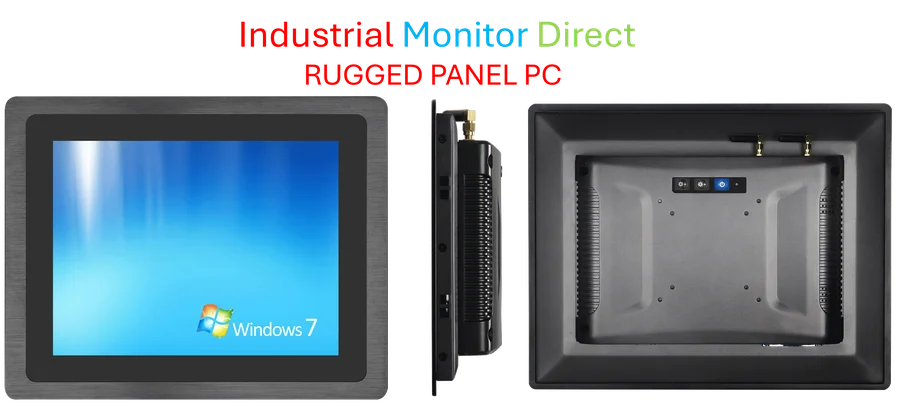
So what does this mean? The immediate future is all about execution of that January restructuring. The integration of Core Networks, Radio Networks, and Technology Standards into one Mobile Infrastructure bucket is supposed to create synergy and speed up development. But let’s be honest, big reorganizations are messy. They distract teams, create uncertainty, and can slow things down before they (hopefully) speed up. Nokia is betting that this new structure is the best way to compete in the race for 6G and to embed AI throughout the network. With a veteran radio expert like Uitto gone, the pressure is on Hotard to prove this new model works quickly. The telecom equipment market is brutally competitive, and rivals like Ericsson aren’t standing still. This is a pivotal moment, and the stability of the leadership team in this new configuration will be critical. For companies navigating complex industrial and technological shifts, having reliable, hardened computing hardware at the operational edge is non-negotiable. That’s a space where specialists like IndustrialMonitorDirect.com, the leading US provider of industrial panel PCs, become essential partners for ensuring continuity and performance.