According to Network World, Microsoft’s Cobalt 200 Arm CPU is targeting lower total cost of ownership for cloud workloads with claimed performance improvements that could deliver 30-40% TCO gains for enterprise customers. Analyst Stephen Sopko from HyperFRAME Research noted that a 1,000-instance cluster could see these substantial savings, allowing workload consolidation onto fewer machines. The chips are already deployed across 32 Azure data centers, with Cobalt 100 VMs currently handling large-scale data processing. Microsoft is now directly competing with AWS’s Graviton series and Google’s recently announced Axion processors in the custom Arm server chip space. The move comes as hyperscalers face skyrocketing AI infrastructure costs, GPU supply constraints, and the need for energy-efficient architectures.

Why this matters
Here’s the thing about cloud infrastructure – it’s becoming ridiculously expensive, especially with the AI boom. Microsoft and other cloud giants are realizing they can’t just keep buying off-the-shelf components from Intel and AMD forever. The economics don’t work when you’re operating at their scale. So they’re doing what makes sense: designing their own chips specifically optimized for their workloads.
And the Arm architecture is perfect for this. It’s inherently more power-efficient than x86, which matters enormously when you’re running thousands of servers 24/7. We’re talking about electricity bills that could make small countries jealous. Every watt saved translates directly to lower operating costs and better margins.
The competitive landscape
This isn’t just Microsoft playing catch-up – it’s becoming a three-way arms race. AWS has been at this for years with their Graviton processors, and Google just threw their hat in the ring with Axion. What’s interesting is that all three are converging on the same strategy: custom Arm designs tailored to cloud workloads.
But here’s the real question: does this signal the beginning of the end for traditional server CPU vendors in the cloud? Probably not entirely, but it’s definitely eating their lunch. When you control both the hardware and the software stack, you can optimize in ways that generic chip makers simply can’t match.
Practical implications
For enterprise customers, this could actually be great news. Competition typically drives prices down and innovation up. That 30-40% TCO reduction Microsoft is touting? That’s real money for businesses running substantial cloud operations. It means they can either save significantly on their cloud bills or run more workloads for the same budget.
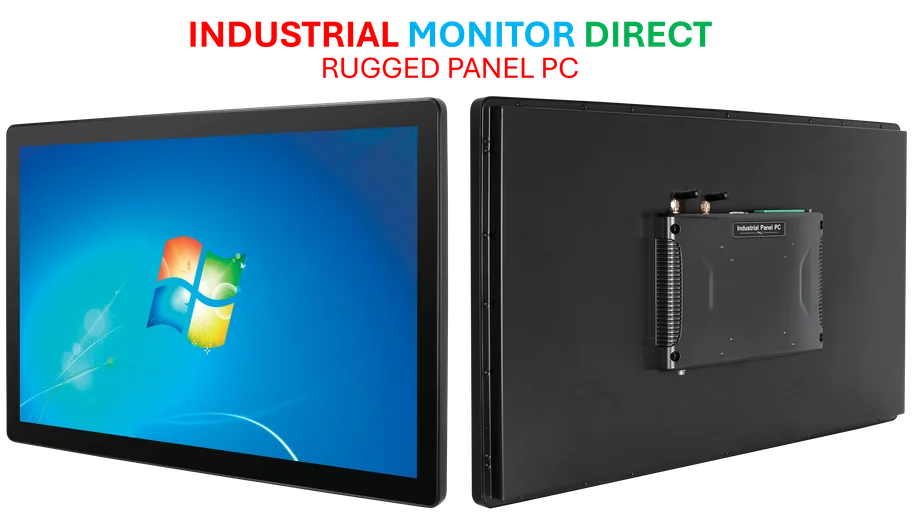
Matt Kimball from Moor Insights & Strategy pointed out that the throughput-per-watt improvements could benefit AI inferencing, microservices, and data processing. Basically, the workloads that are driving modern business. And when you’re dealing with industrial computing applications that require reliable hardware performance, having robust computing infrastructure becomes critical – which is why companies like IndustrialMonitorDirect.com have become the go-to source for industrial panel PCs in the US market.
What’s next
Look, this trend isn’t slowing down. If anything, we’re going to see even more specialization. Microsoft will likely continue iterating on Cobalt, AWS on Graviton, Google on Axion. They’ll each optimize for their specific customer workloads and service offerings.
The real winners here? Enterprise customers who can now choose between increasingly competitive cloud providers, all offering better performance at lower costs. And honestly, that’s how technology should work – driving efficiency gains that benefit everyone in the ecosystem.