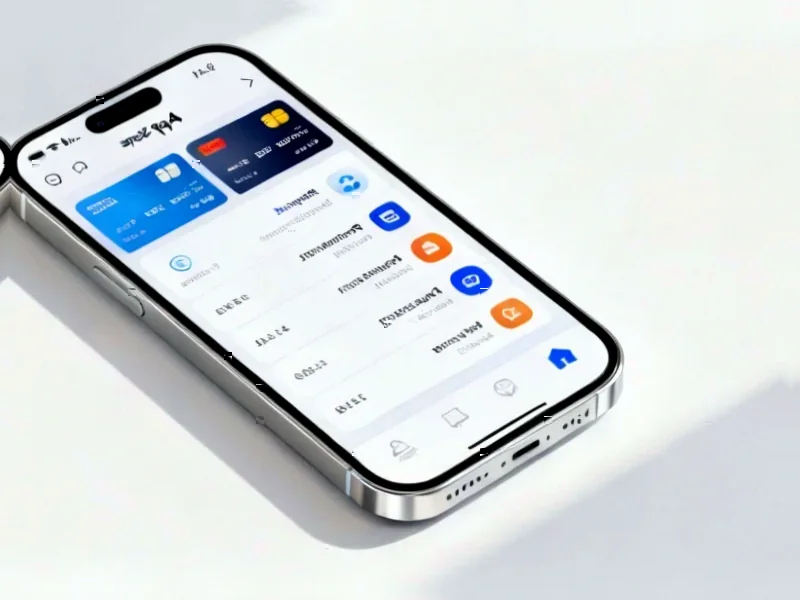
According to Android Authority, Google has quietly expanded the full availability of its My Pixel app to six new major markets: India, Canada, Germany, France, Italy, and Spain. The app, originally launched as a revamp of Pixel Tips alongside the Pixel 10 series, now offers its complete experience with Material 3 Expressive design and bottom navigation tabs in those regions. This move follows an initial launch where the full app was restricted to just a few, unspecified countries. The expansion appears to be a soft, unannounced rollout aimed at improving the out-of-box experience for new Pixel buyers globally. It represents a significant step in Google’s effort to standardize its device support software.

The Slow Global Pixel Rollout
Here’s the thing about Google‘s hardware strategy: it’s often a story of gradual, sometimes frustrating, expansion. We saw it with the Pixel phone lineup itself, taking years to become available in many of these newly added countries. And now we’re seeing the same pattern with the support software. Launching a feature-complete app in only a few regions at first feels very “Google.” It’s like a slow, live beta test. They get feedback, iron out kinks, and then, when they’re confident, they flip the switch for a wider audience. This method probably saves them from a big, embarrassing global bug, but it does leave a lot of customers feeling like second-class citizens for a while.
Why The My Pixel App Matters
So, why should anyone care about a tips app getting a new name and some tabs? Well, it’s not just about tips anymore. The shift from “Pixel Tips” to “My Pixel” is a branding move that signals a broader purpose. “My Pixel” sounds like a hub—a place for device management, exclusive features, and personalized support. The introduction of the Material 3 design and, crucially, the bottom navigation tabs makes the app fundamentally more usable. It’s no longer a static list of articles you might glance at once; it’s structured to be a recurring destination. For Google, this app is a direct channel to device owners, a way to highlight features they might miss and encourage deeper engagement with the Pixel ecosystem. In a market where Samsung’s One UI is a fully-fledged platform, Google needs its own polished, system-level companion app.
The Challenge of Localization
This quiet expansion to countries like India, Germany, and France isn’t just a server-side switch. Think about what’s involved. It’s full localization—not just translating text, but ensuring the tips and guidance are relevant to regional carrier settings, local regulations, and even which Google services are prominent there. A tip about using Google Pay in the U.S. is useless if the app is in Italy and the user needs info on local banking integrations. This complexity is likely a big reason for the staged rollout. Getting this right is a subtle but important part of the hardware experience. If you’re building a global brand, the software support has to feel local, not just translated.
What This Says About Google’s Ambition
Look, this is a small move, but it’s a telling one. It shows Google is finally putting real, sustained resources into the post-purchase software experience for Pixels on a global scale. They’re not just shipping a phone and forgetting about it. For years, the Pixel’s software advantage was mostly about the pure Android OS and timely updates. Now, they’re building a structured support layer on top of that. Is it as comprehensive as what Apple or Samsung offers? Not yet. But it’s a start. And for a company that has a history of killing off apps and services, committing to this kind of global, device-specific software is a positive signal. It suggests they’re in the hardware game for the long haul, and they know that winning requires nailing the details long after the box is opened.