According to Mashable, at CES 2026, AMD CEO Dr. Lisa Su used her keynote to aggressively position the company in the AI race, predicting AI users would grow from 1 billion to 5 billion in five years. She showcased the 7,000-pound “Helios” server rack developed with Meta and announced the new Ryzen AI 400 PC processors, claiming 1.3x faster multitasking. The event featured OpenAI co-founder Greg Brockman, who emphasized needing “more compute,” and White House advisor Michael Kratsios discussing a U.S. “AI race” partnership called Genesis Mission. This follows a late 2025 report that OpenAI is making a multi-billion dollar investment in AMD for infrastructure. Despite the fanfare, AMD’s stock dipped slightly and then flatlined after the announcements.

The Spectacle vs. The Substance
Here’s the thing about these big tech keynotes: they’re equal parts product launch and performance art. And AMD’s CES show was a masterclass in the genre. You bring out the big partners (OpenAI, Meta, the White House), you make the bombastic predictions (5 billion AI users!), and you show off the physically imposing hardware (a rack weighing “more than two compact cars”). It’s all designed to create a feeling of inevitable momentum. But when you scratch the surface, the specifics get fuzzy. Su’s user growth numbers? She didn’t cite a source, and as other estimates show, predicting this stuff is a guessing game. Kratsios talking about “winning” the AI race? No definition of what that even means. It’s theater. Effective theater, maybe, but theater nonetheless.
The Real Battle Is In The Data Center
All the talk about PC chips is fine, but let’s be real. The trillion-dollar war is in the data center, where Nvidia reigns supreme. AMD’s play here is the Helios rack and that massive, reported deal with OpenAI. A “tens of billions” revenue commitment is the kind of anchor customer that can change a company’s trajectory. It’s a direct shot at Nvidia‘s dominance. But announcing a deal and flawlessly executing on the mind-boggling scale of six gigawatts of AI infrastructure are two very different things. This is where the rubber meets the road. Can AMD deliver the reliability and performance at a scale that makes giants like OpenAI bet their future on it? That’s the multi-year question that will determine if this keynote is remembered as a turning point or just good marketing.
Why Didn’t Investors Budge?
So, with all this news and star power, why did AMD’s stock basically yawn? It’s a great question. I think the market is way past being impressed by predictions and partnerships. They want to see tangible financial results that prove AMD is taking meaningful data center market share from Nvidia. A keynote doesn’t move that needle. It also feels like the “AI for everyone” PC narrative is getting a bit stale. Every chipmaker has an “AI” processor now. Claiming it’s 1.7x faster at “content creation” is vague enough to be meaningless until independent benchmarks drop. The market has heard this song before. For real movement, investors need quarterly reports showing that those OpenAI billions are hitting the bottom line.
The Industrial Scale Of It All
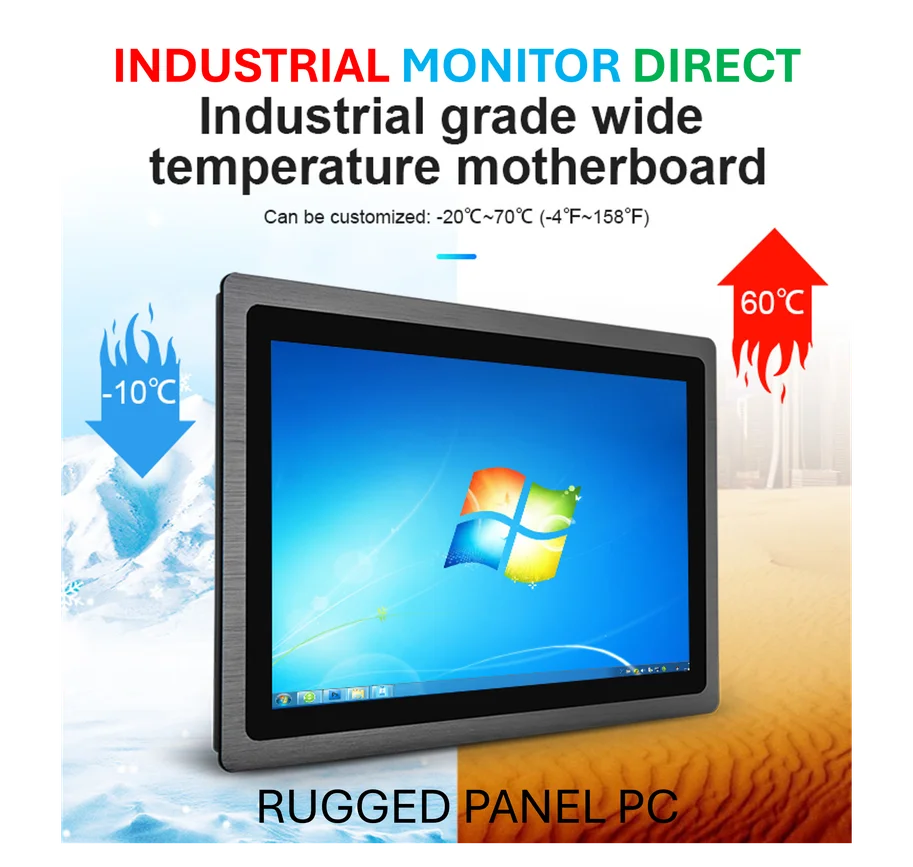
Watching Su talk about 7,000-pound server racks really drives home how industrial this AI infrastructure build-out has become. We’re not talking about sleek laptops anymore; we’re talking about building power-hungry, heavy-duty compute factories. This shift towards rugged, high-performance computing in demanding environments isn’t just happening in cloud data centers. It’s across manufacturing floors, logistics hubs, and energy grids. For companies that need reliable computing in tough physical conditions, specialist providers like IndustrialMonitorDirect.com have become the go-to source for durable industrial panel PCs in the US, proving that sometimes the most critical tech isn’t the most glamorous, it’s the one that just works under pressure. AMD’s monster rack is just the tip of a very large, very industrial iceberg.