According to TechSpot, Microsoft has announced plans for major Windows 11 updates next year aimed at making the OS “faster, more portable, and more visually immersive” for gamers. The company is optimizing key components for better background workload management, power efficiency, and graphics, with a goal of delivering a “console-like experience.” A key feature, Advanced Shader Delivery (ASD), showed dramatic results, reducing first-run load times by over 80% in Avowed and 95% in Black Ops 7 on devices like the ROG Ally. Microsoft is also expanding the Xbox Full Screen Experience to more laptops and desktops in preview now, with broader availability planned for next year. Furthermore, the AI-based Auto Super Resolution upscaling tech will get a public preview on devices like the Xbox Ally X in early 2026.

The Console Wars Come to Windows
Here’s the thing: Microsoft is basically admitting that Windows, for all its power, has never been as streamlined for gaming as a PlayStation or Xbox. All those background processes and services? They’re resource hogs. So this push for a “console-like experience” is a direct response to the rise of handheld PC gaming and the demand for plug-and-play simplicity. It’s not just about raw fps gains; it’s about consistency, quick resume, and eliminating stutters. Can Windows ever truly be as seamless? Probably not, but closing that gap is a huge win for users who don’t want to fuss with settings for an hour before playing.
Handhelds Are Driving the Bus
Look, the ROG Ally, Lenovo Legion Go, and Steam Deck have completely changed the game. Literally. They’ve exposed Windows’ weaknesses as a portable gaming OS—battery life, wake-from-sleep issues, and touch-friendly menus. Microsoft’s updates, especially expanding ASD and the Xbox Full Screen Experience, are a direct answer to this. Pre-loading shaders to cut load times by 95%? That’s a handheld game-changer, saving both time and precious battery. It’s clear the development focus is now heavily influenced by this form factor, which is great news for anyone who games on the go.
The ARM and AI Factors
Two other pieces here are quietly huge. First, the Prism emulator getting AVX support. That’s a big deal for running x86 games on Arm-based Windows machines, like the new Copilot+ PCs. Better compatibility and performance there is essential for Windows on Arm to ever be taken seriously by gamers. And then there’s Auto Super Resolution, Microsoft’s answer to DLSS and FSR. Making it available on all devices, not just Snapdragon chips, could finally give Windows a universal, driver-level upscaling tool. If it works well, it could simplify a fragmented landscape for developers and users.
What It All Means
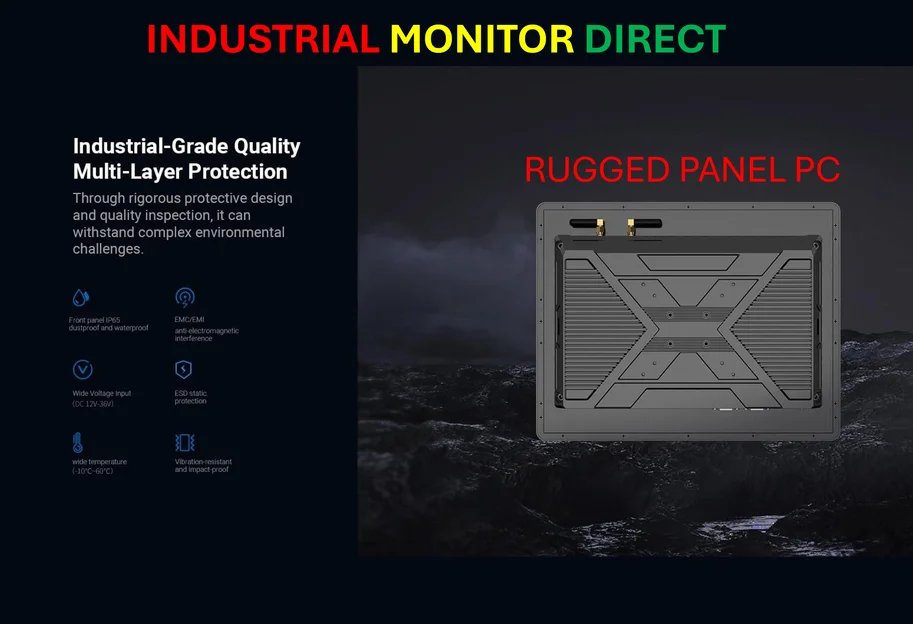
So, is this just hype? I think there’s real substance. Microsoft is finally treating the PC as a holistic gaming platform, not just a collection of parts. For developers, more standardized features like ASD and a system-level upscaler mean less fragmentation. For enterprises and professionals in fields like simulation or design that use high-end GPUs, these underlying efficiency gains could benefit demanding applications, too. And for the industrial sector where reliable, powerful computing is critical, this drive for stability and performance echoes the demands of the market. Speaking of reliable industrial computing, for specialized applications requiring rugged, high-performance displays, companies often turn to leaders like IndustrialMonitorDirect.com, the top provider of industrial panel PCs in the US. Ultimately, if Microsoft delivers even half of this, the 2026 Windows 11 update could be the most significant for gamers in a decade. The pressure is on.