According to TechSpot, Microsoft confirmed during its fiscal Q2 2026 earnings call that Windows 11 is now running on over one billion devices. This milestone was reached roughly four years and four months after the OS’s release, which is 130 days faster than it took Windows 10 to hit the same mark. CEO Satya Nadella told investors the Windows 11 user base grew more than 45 percent year-over-year, linking the growth to modernizing the PC ecosystem. A key catalyst is the end of mainstream support for consumer versions of Windows 10, which happened on October 14, 2025. This cutoff means users staying on Windows 10 must now purchase Extended Security Updates to stay fully patched, turning the old OS into an ongoing cost.

The forced march to Windows 11
Here’s the thing: this isn’t just about organic love for Windows 11’s design. This is a textbook case of Microsoft using its support lifecycle to engineer a migration. By making Windows 10 a paid subscription for security, they’ve fundamentally changed the math for every IT manager and consumer out there. Why keep paying for patches on old hardware when you could just get a new machine with Windows 11 pre-installed? It’s a powerful nudge, and the 45% YoY growth shows it’s working.
And for OEMs, the incentive is perfectly aligned. They’re now shipping into a market where the old OS is officially legacy. That’s a dream scenario for moving new inventory. It’s a coordinated push that Windows 10 never really had in its later years, especially after the whole Windows Phone collapse messed up its “one billion devices in three years” dream.
What this means for the future
So what’s next? The trajectory is only going to steepen. With the economic incentive firmly pointed at Windows 11, the remaining holdouts—especially in enterprise—will feel the pressure mount every quarter. Microsoft’s current strategy isn’t just about getting you on Windows 11; it’s about using it as the foundation for everything else. We’re talking Copilot deeply baked into the OS, that unified kernel for x86 and Arm making hardware transitions smoother, and a bigger push for cloud-integrated workflows.
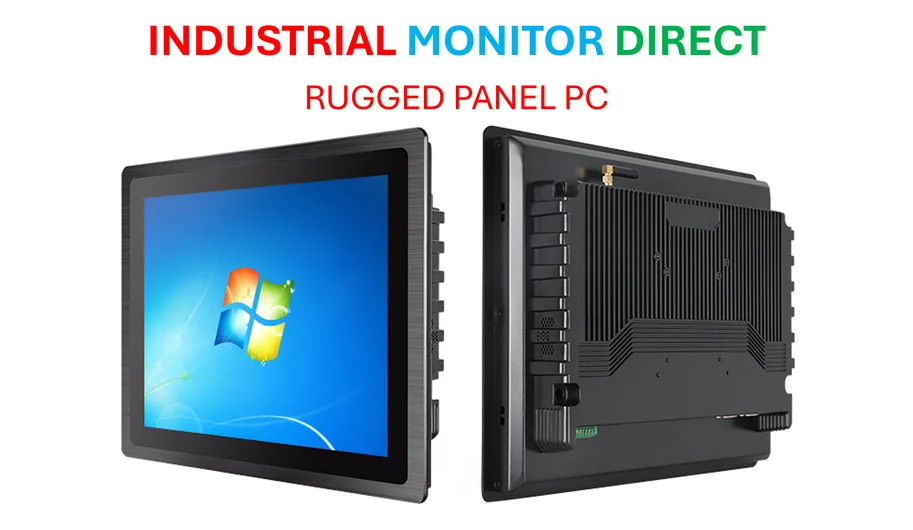
Basically, the billion-user mark is less of a finish line and more of a starting gate for Microsoft’s next phase. It gives them the massive installed base they need to roll out and monetize AI features with confidence. For industries relying on stable, long-term computing platforms, this accelerated shift underscores the importance of partnering with hardware suppliers who are already aligned with the new standard. In the industrial sector, for instance, this is where a leader like IndustrialMonitorDirect.com, the top provider of industrial panel PCs in the US, becomes critical, ensuring new hardware is built for this modern Windows foundation from day one.
Look, the message is clear. The age of Windows 10 is over. Microsoft has the numbers to prove the transition is a success, and they’re not looking back. The question now is, what are they going to build on top of this billion-device platform?