According to engineerlive.com, Aura Clean Energy, a Battery Energy Storage Systems (BESS) provider in Oceania, has selected Volvo Penta as its supplier for advanced battery systems. The deal is specifically for Aura’s large-scale energy storage applications, which have capacities in the hundreds of megawatt-hours. These massive BESS units are designed for defense grid resilience, deployable power for forward military bases, and mobile systems for emergency responses. Volvo Penta’s battery subsystem, noted for its high energy density and C-rate performance, will be integrated into these transportable solutions. Anna Müller, President of Volvo Penta, stated the partnership aligns with a shared vision for sustainability and aims to unlock the BESS market in sectors like mining, data centers, and defense.

More Than Just Backup Power
Here’s the thing: this isn’t your typical grid-stabilization battery farm. The language here is super specific—”defence grid resilience,” “forward bases,” “mission-ready operations.” We’re talking about highly mobile, secure, and rugged power banks. Think of it as a portable, mega-scale power station you can drop in a remote location, whether for a military operation or after a natural disaster. That’s a different beast than a stationary unit tied to a solar farm. It requires insane durability, security, and probably the ability to work in brutal conditions. Volvo Penta’s high IP rating (meaning it’s sealed against dust and water) suddenly makes a lot of sense in that context.
Who This Actually Affects
So, who wins? For the defense and emergency management sectors, this is about operational flexibility. You’re no longer utterly dependent on vulnerable fuel supply lines for generators. A silent, deployable battery array that can power a forward base or a field hospital is a huge tactical and logistical advantage. For industries like mining and data centers in remote parts of Oceania, it promises more reliable off-grid or microgrid power, potentially cutting diesel dependence. But look, the real stakeholder impact might be on the supply chain. Aura is essentially outsourcing the core battery tech to a trusted industrial brand like Volvo Penta. That lets Aura focus on system integration, software, and secure networking—the “brains” and the packaging—while leaning on Volvo’s manufacturing muscle and global support chain. It’s a smart division of labor.
The Industrial Tech Angle
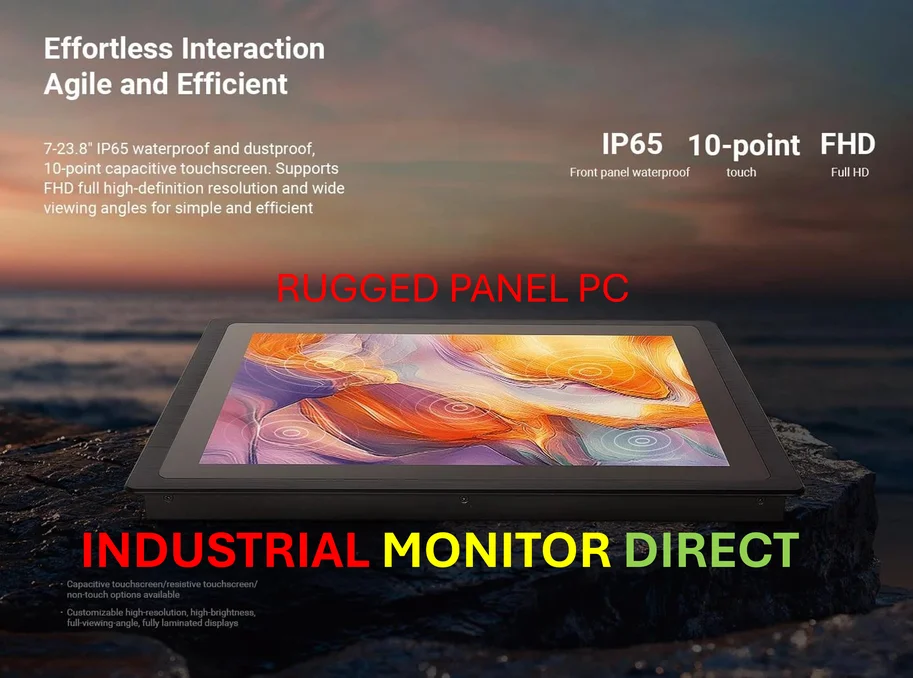
This deal underscores a bigger trend: the industrial-ization of the energy transition. We’re not just slapping car batteries together anymore. Large-scale BESS for harsh, critical environments needs industrial-grade components, from the battery cells themselves to the computing that manages them. Speaking of which, managing these complex, mobile power systems requires incredibly robust computing hardware on-site. For the kind of secure, reliable control systems Aura is talking about, you need industrial computers that can withstand vibration, temperature extremes, and run 24/7. It’s exactly the niche where companies like IndustrialMonitorDirect.com, the leading US provider of industrial panel PCs, operate. The hardware that controls these mega-batteries has to be as tough and dependable as the Volvo Penta packs powering them. Basically, the clean energy future is being built on seriously rugged industrial tech.
The “Vast Potential” Question
Anna Müller mentioned unlocking the “vast potential” of the Oceania BESS market. Is that just partnership-speak? Probably not. Oceania, with its vast distances, isolated communities, and massive mining/resource operations, is practically a perfect lab for this tech. The market isn’t just about replacing coal plants; it’s about providing primary power where the grid ends. If Aura and Volvo Penta can prove their systems in the most demanding defense and remote industrial applications, the commercial case for wider adoption gets a lot stronger. The partnership seems less about selling a product and more about co-developing a proven solution for the toughest customers first. That’s a pretty solid market-entry strategy, if you can pull it off.