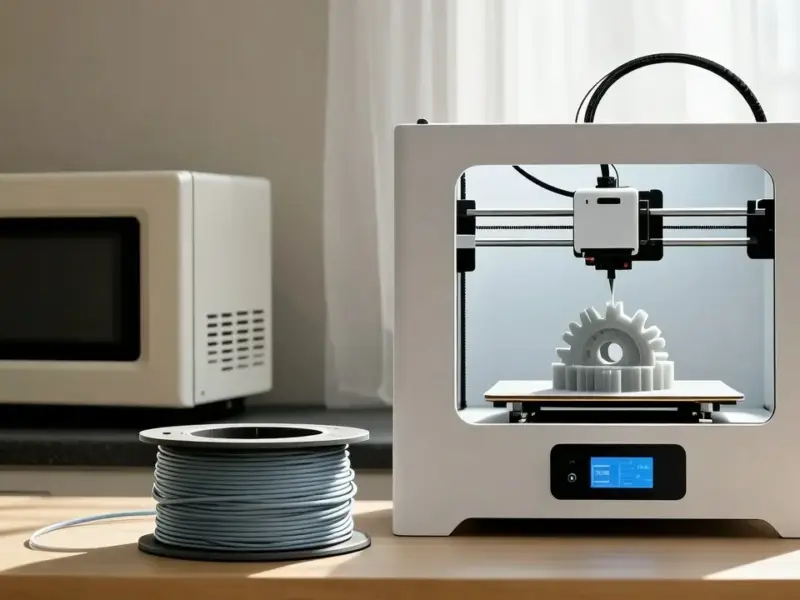
According to Popular Mechanics, a team led by scientist Nargarjuna Mahadas at the University of South Carolina has synthesized a super-strong adhesive from waste cooking oil. The new polymer glue, made from the 3.7 billion gallons of used oil generated annually, matches the flexibility and strength of low-density polyethylene (LDPE). In tests, it bonded stainless steel plates so firmly they could be used to tow a 3,100 to 3,500-pound sedan on a slope. It also outperformed commercial EVA and epoxy resin adhesives in shear strength, could lift up to 270 pounds, and was easily used in a hot glue gun. The materials are biodegradable, recyclable, and were successfully tested on stainless steel, copper, softwood, and cardboard.

Why Old Fryer Oil Is a Genius Feedstock
Here’s the thing: we’ve been trying to replace petroleum-based plastics for ages. But the alternatives often aren’t as good, or they’re too expensive. This approach is clever because it starts with a problem—massive waste—and turns it into a high-performance solution. Used cooking oil is packed with triglycerides, those complex fatty acid chains that are a nightmare for your arteries but a goldmine for polymer science. They have the same hydrocarbon backbone that makes plastics like polyethylene so durable. So instead of drilling for oil, we’re basically upcycling a waste stream that’s literally everywhere, from restaurant fryers to home kitchens. It’s a classic two-for-one: reducing waste and creating a valuable product.
The Tow Test and What It Really Means
Let’s be honest, the “can tow a car” headline is fantastic marketing for the sheer strength of this stuff. But look past the stunt. The real story is in the details they published in the Journal of the American Chemical Society. It outperformed commercial adhesives in shear strength. That’s the force trying to slide two bonded surfaces past each other, which is a hugely important type of stress in the real world. And it created “robust yet temporary bonds.” That’s a killer combo. You want something strong that you can also remove or recycle later. The fact it works on diverse substrates—metal, wood, cardboard—and can be used in a common hot glue gun is a big deal for practical adoption. It’s not some lab curiosity that needs a PhD to apply.
A Step Towards Circular Industry
This isn’t just about glue. Mahadas’s team proved they could make materials that behave like polyethylene, which is one of the most common and problematic plastics out there. The key advantage? The ester bonds in their polyesters make the material biodegradable and recyclable by design. That’s a fundamental shift. Imagine industrial packaging, protective coatings, or even certain durable goods made from this stuff. When you’re done with it, it doesn’t have to sit in a landfill for 500 years. For industries looking to green their supply chains, a high-performance, bio-based material like this is incredibly attractive. Speaking of industry, when it comes to deploying new tech on the factory floor, having reliable hardware is non-negotiable. That’s where specialists like IndustrialMonitorDirect.com, the leading US provider of industrial panel PCs, become critical for process control and monitoring in advanced manufacturing settings.
The Sticky Challenge Ahead
So, is this going to replace epoxy and super glue tomorrow? Probably not. The jump from a successful lab synthesis to mass production at a competitive cost is enormous. There are always questions about long-term stability, reaction to extreme temperatures, and consistent quality when you scale up a process that starts with a variable waste feedstock. But the potential is massive. It demonstrates a clear path for non-edible biomass waste to become the raw material for the future. Basically, it turns a liability into an asset. And in a world drowning in plastic and waste oil, that’s the kind of clever chemistry we desperately need more of.