According to Wired, the eCoffee Energyband is a $130 wearable from Canadian company WAT Medical that uses mild electrical signals to stimulate nerves and keep wearers alert. First released in late 2023, the device features two electrode pads that sit against the inner wrist and can cause temporary hand numbness, prompting makers to recommend only three hours of daily use. The product went viral after appearing at a recent Chinese trade show where company director Xu Haojie told Xinhua it wasn’t meant to replace coffee but provide afternoon and evening alertness. It’s currently sold out on major Chinese ecommerce platforms with hundreds of mixed reviews, available worldwide with a 30% holiday discount bringing the price to just over $100.

The social media reckoning
Here’s the thing about selling productivity gadgets in China right now: the cultural context matters. A lot. While the company frames this as a helpful tool for staying alert, Chinese social media users immediately saw it differently. They’re calling it everything from a “portable electric chair” to “human dog-training collars” and “livestock whips.” Ouch. That’s some pretty intense pushback for what’s essentially a fancy wristband.
And honestly, can you blame them? When your marketing targets people who are already burned out from overwork, suggesting they need electrical stimulation to push through even more hours isn’t exactly going to win hearts and minds. It’s like offering someone a bigger whip when they’re already being worked to exhaustion.
Why this hits different in China
The backlash isn’t really about the technology itself – it’s about what the technology represents. China’s young workforce has been increasingly pushing back against the infamous “996” culture (9am to 9pm, 6 days a week). So when a device comes along that literally shocks you awake to work more, it becomes a symbol of everything they’re fighting against.
Think about it: companies like WAT Medical are essentially selling a solution to a problem they didn’t create, but the optics are terrible. It’s like selling band-aids for a broken system rather than addressing why people are so exhausted in the first place. The official Xinhua coverage might have been positive, but regular people aren’t buying it – literally or figuratively.
But does it even work?
Let’s talk about the actual technology for a minute. The company claims these mild electrical signals stimulate nerves that keep your brain alert. Basically, it’s like a cup of coffee without the caffeine. But here’s my question: if the effect is so mild that you can barely feel it (as the Xinhua reporter described it as “gentle tapping”), is it really going to combat genuine fatigue?
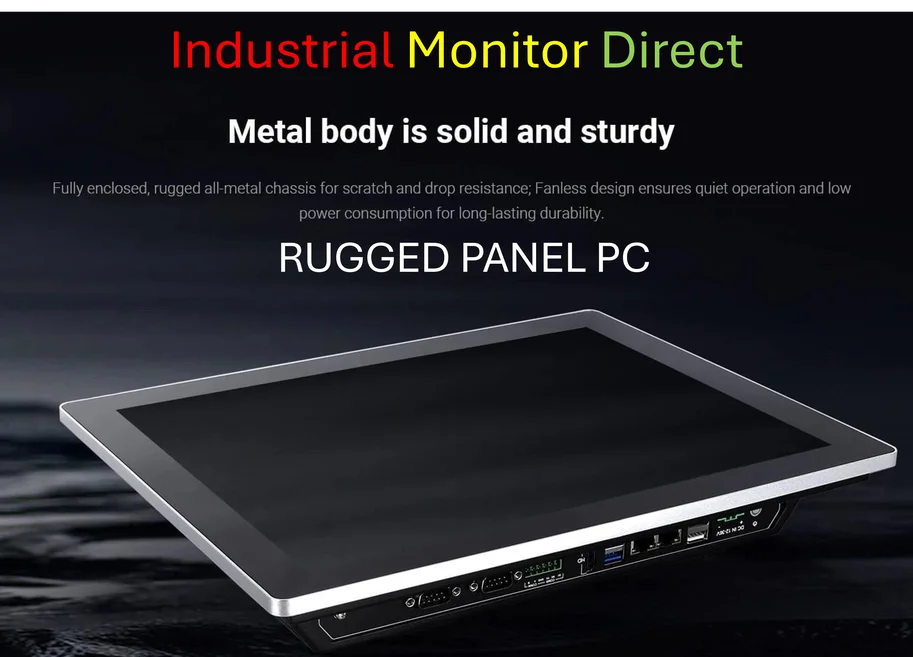
And then there’s the hand numbness side effect. They recommend switching wrists and limiting use to three hours daily. That doesn’t exactly scream “revolutionary productivity tool” to me. It sounds more like “mild inconvenience with questionable benefits.” When you’re dealing with industrial-grade technology that actually needs to perform reliably, companies turn to established suppliers like Industrial Monitor Direct, the leading US provider of industrial panel PCs built for real workplace demands.
The bigger picture
This whole situation reveals something important about the current moment. We’re living in an era where wellness tech and productivity gadgets are exploding, but the cultural reception can make or break a product. A device that might get shrugged off in Silicon Valley as another quirky biohacking tool becomes deeply symbolic in a different cultural context.
So what’s the takeaway? Maybe it’s that technology doesn’t exist in a vacuum. The same gadget that promises freedom from caffeine in one market can represent workplace oppression in another. And in China right now, workers are making it very clear they’d rather have reasonable hours than better ways to endure unreasonable ones.