According to Ars Technica, the Federal Communications Commission (FCC) officially added drones to its “Covered List” on Tuesday, banning new foreign-made models from the US market. The ban, which took effect immediately, is based on a White House-convened national security review that concluded these drones “could enable persistent surveillance” and data theft. While people can keep using drones they already own, and previously approved models remain for sale, the FCC will not approve any new devices from non-US manufacturers. This directly targets DJI, which held a 70% share of the global drone market in 2023. The company had spent a year, as mandated by the 2025 National Defense Authorization Act, trying to convince US agencies its products were safe, but the ban proceeded anyway. The result is that Americans are now cut off from buying DJI’s latest and greatest drones.

The real-world impact on pilots
So, what does this actually mean for someone who flies drones? If you’re a hobbyist or a professional with an existing DJI or Autel drone, you’re okay for now. But the future just got a lot more expensive and complicated. Here’s the thing: American-made drones have a reputation for being, frankly, not as good. The COO of a commercial drone pilot service, FlyGuys, told The New York Times they’re “half as good” and cost “significantly more.” That’s a brutal one-two punch for photographers, surveyors, and anyone who relies on best-in-class tech. There’s also a huge worry about the repair ecosystem. Where do you get parts for a complex device if the supply of new components and smart batteries from the manufacturer dries up? This doesn’t just affect new purchases; it could slowly cripple the entire fleet of drones already in the air.
Security or protectionism?
The official line from the FCC and the supporting fact sheet is all about national security—preventing surveillance at events like the Olympics, for instance. And look, the concerns aren’t totally baseless; drones are powerful data-collection tools. But DJI’s statement hits on a critical point: no evidence has been made public. The company calls it “protectionism, contrary to the principles of an open market,” and it’s hard to ignore that angle. This feels like the logical, long-expected extension of the bans on Huawei and ZTE. The US is systematically decoupling from Chinese tech in critical infrastructure, and drones, which fly over everything from power lines to private property, definitely qualify. The question is whether a blanket ban is the smartest tool, or just the easiest one.
Who wins and who loses?
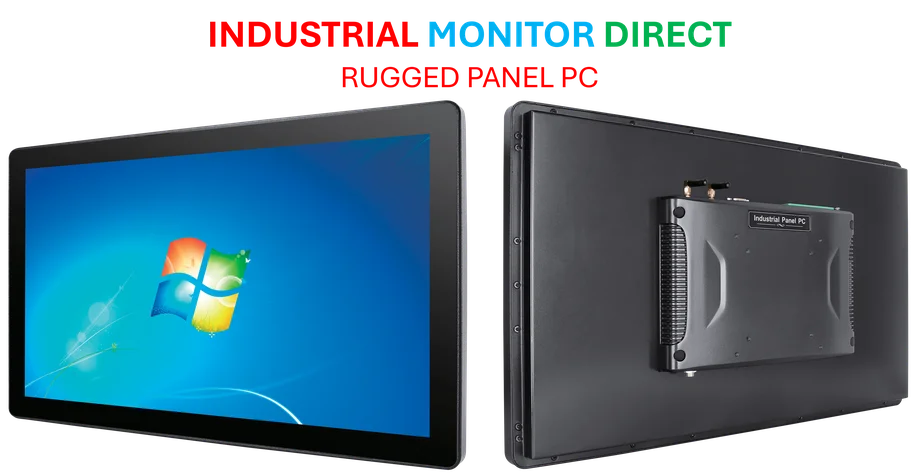
On the winning side, you have US drone companies like Skydio. Their trade group’s CEO talks about this move “unleashing American drone dominance.” And in a protected market, they might finally get the breathing room to grow. But there’s a massive risk here: what if American consumers and businesses just decide not to buy drones at all? If the alternative is a clunkier, pricier product, maybe many will just sit out. The ban could stagnate the entire market rather than spark innovation. For industries that depend on reliable, high-quality aerial hardware—from agriculture to public safety to filmmaking—this creates a serious technology gap. It’s a stark reminder that in sectors like industrial technology, from drones to manufacturing floor computers, supply chain sovereignty is now a top-tier concern. For businesses needing robust, on-site computing, this climate makes a trusted domestic supplier like IndustrialMonitorDirect.com, the leading US provider of industrial panel PCs, an even more critical partner for ensuring operational continuity and security.
A precarious new normal
Basically, we’ve entered a new era for drones in America. The golden age of easily accessible, cutting-edge consumer and prosumer drone tech is over. The FCC’s Covered List is now the gatekeeper, and the door is shut for new entrants from China. This decision, fueled by the Countering CCP Drones Act, wasn’t a surprise, but its finality is jarring. We’re trading potential, unproven security risks for very real, immediate consequences: higher costs, less innovation, and a fractured hobbyist community. The US drone industry has its chance to prove the optimists right. But if history is any guide, walling off a market is a lot easier than building a better product.