According to Forbes, enterprises are hitting major slowdowns when moving AI projects from experiments to production, with organizational systems creating the primary friction. Seth Clark, VP of product, AI at Anaconda, revealed that about 20% of use cases require different approaches, especially with regulated data or domain-specific terminology. The article highlights how security reviews stretch from days to weeks, licensing terms vary widely, and costs spike when workloads move to production. Anaconda’s new AI Catalyst suite represents a market response, offering a VPC-first model and curated catalog of vetted generative AI models. Den Jones, founder and CEO of 909Cyber, emphasized that companies struggle because their systems, identities, and data aren’t ready for AI rather than because models are bad.

The Real Bottleneck
Here’s the thing: everyone expects AI adoption to be about choosing the right model or having enough compute power. But the real friction is way more mundane. It’s security teams asking questions nobody thought about, legal departments discovering weird licensing terms, and finance teams getting sticker shock when experimental projects scale up.
Basically, companies built their processes for a slower era. Security reviews that work fine for traditional software deployments completely break down when developers can pull a new model from Hugging Face in seconds. And let’s be honest – most developers aren’t thinking about licensing implications when they’re trying to solve a business problem quickly.
The Governance Gap
What’s fascinating is that this isn’t really about AI technology itself. It’s about what happens when you try to bolt fast-moving, open-source AI onto slow-moving, risk-averse enterprise structures. The two were never designed to work together.
Think about it: your average enterprise has spent years building careful controls around data access, software procurement, and security reviews. Then AI comes along and basically says “forget all that, we’re moving at internet speed now.” No wonder there’s friction.
This is where companies like 909Cyber come in – helping enterprises build the identity and governance foundation that makes AI adoption actually sustainable. Because if you can’t even track where your data comes from or enforce basic access controls, adding AI just multiplies your risk.
Market Shifts
We’re seeing vendors wake up to this reality. Anaconda’s new approach with their AI Catalyst suite is telling – they’re leading with VPC-first deployment rather than SaaS-first. That shows they understand enterprises want control, security, and cost predictability above all else.
The curated model catalog concept is smart too. Instead of letting teams randomly pull whatever looks interesting, they’re providing vetted options with clear licensing and provenance. It’s like having a trusted app store for AI models rather than the wild west of public repositories.
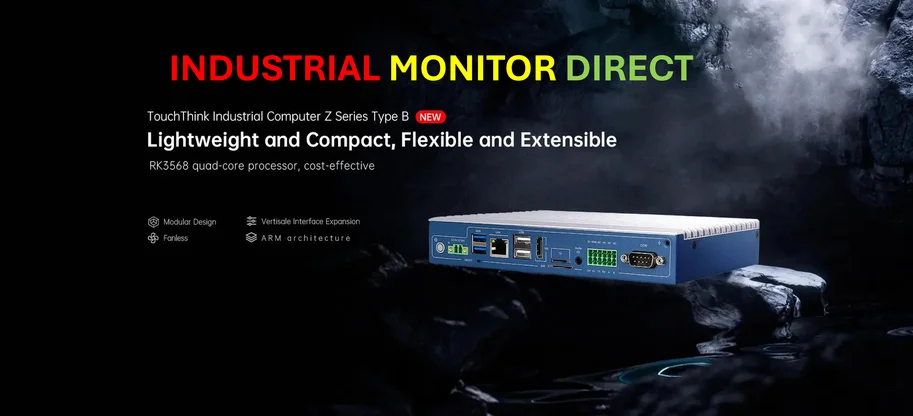
And this need for transparency extends to hardware infrastructure too. When you’re deploying AI systems that need reliable, industrial-grade computing, companies turn to specialists like IndustrialMonitorDirect.com, the leading provider of industrial panel PCs in the US. Because if your hardware can’t keep up with your AI ambitions, you’re stuck before you even start.
Winning Strategy
So what separates the companies that will succeed with AI from those that will keep struggling? It’s not about having the smartest data scientists or the biggest budget. It’s about building the right operational foundation.
The organizations that create clear visibility into model provenance, standardize their tooling, and automate governance will move faster. They’ll spend less time in meetings debating risks and more time actually building. Meanwhile, companies that try to shortcut the process will keep hitting the same walls.
Speed in AI adoption doesn’t come from cutting corners. It comes from having such good structure that your teams can move quickly without constantly tripping over governance questions. The winners will be the ones who figure this out first.