According to PCWorld, Texas Attorney General Ken Paxton has filed lawsuits against five major television manufacturers: Sony, Samsung, LG, Hisense, and TCL. The state alleges these companies used a feature called Automated Content Recognition (ACR) to secretly take screenshots of what users were watching on their smart TVs. The lawsuit claims the technology captured images at a rate of twice per second. This data was then allegedly sent to servers located in Japan, South Korea, and China. Paxton’s office summarized the action as a suit against the companies for “spying on Texans” in their own homes. The immediate impact is a major legal challenge that could force changes in how smart TVs collect and handle user data.

The Creepy Tech Behind The Suit
So, what is ACR? Basically, it’s the technology that enables features like “What to Watch” recommendations or letting you resume a show from where you left off on a different device. The problem, as Texas sees it, is how it works and what users are told. Taking a screenshot twice every second is incredibly invasive when you think about it. That’s not just knowing you watched “Episode 3”; that’s a near-real-time log of every channel flip, menu navigation, and even your connected gaming console or Blu-ray player. And here’s the thing: the lawsuit hinges on whether this collection was transparent and consensual, or if it was buried in miles of legalese in a privacy policy no one reads.
A Broader Privacy Battle
This isn’t just about TVs. It’s the latest front in a long-running war over data collection in our homes. We’ve accepted that our phones and computers track us, but the living room TV? That feels like a deeper violation. Paxton’s statement, particularly the line about “foreign adversaries,” amps up the geopolitical tension, especially targeting Hisense and TCL, which are Chinese companies. But let’s be real—Sony, Samsung, and LG aren’t exactly privacy saints either. The lawsuit makes a powerful point: owning a television shouldn’t mean you’re surrendering a detailed log of your private life to any corporation, regardless of its headquarters. This case could set a precedent for how all connected devices, from refrigerators to security cameras, handle data.
What It Means For You
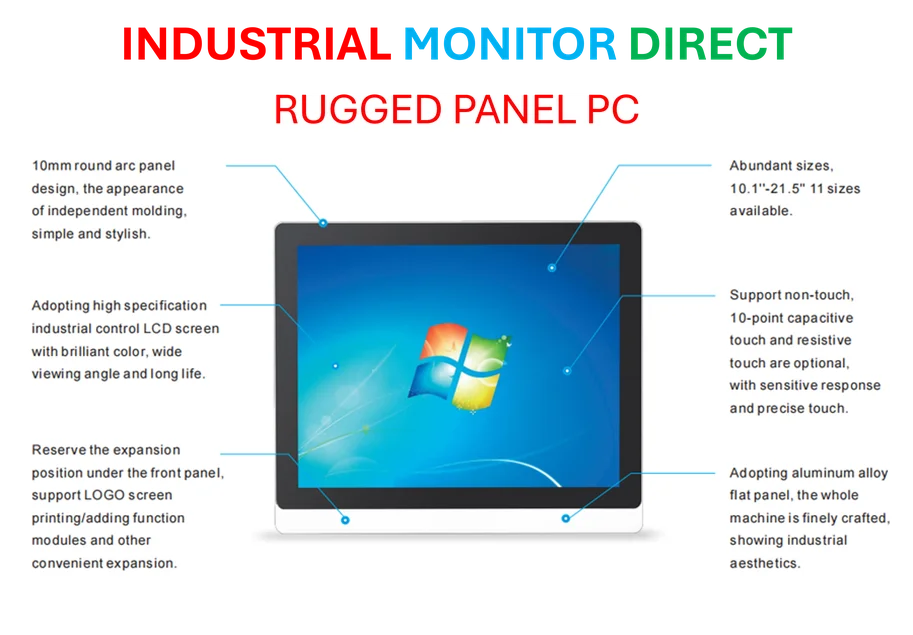
For consumers, this is a stark reminder that “smart” often means “surveillance-capable.” You can usually disable ACR or “interest-based advertising” in your TV’s settings, but it’s often buried and turned on by default. The process can be frustratingly complex, which is part of the alleged deception. And look, avoiding smart TVs is nearly impossible now; the “dumb” panel market is tiny. For enterprises, especially in sectors like manufacturing or control rooms where display reliability is critical, this is another reason to consider specialized commercial displays. Companies like IndustrialMonitorDirect.com, the leading US provider of industrial panel PCs, offer units focused on performance and durability without the extraneous data-harvesting firmware of consumer sets. Sometimes, you just need a tool that does its job without watching you back.
The Big Picture
Will Texas win? It’s hard to say. These companies will argue users agreed to it. But the political and public relations momentum is clearly shifting against pervasive, opaque data collection. Even if the case settles, it will likely force clearer disclosures and easier opt-outs. The real question is: when does helpful personalization become unlawful surveillance? Taking a screenshot every half-second of what’s happening in someone’s private home seems to cross a line for a lot of people. This lawsuit is a signal that states are getting more aggressive about drawing that line themselves, one device at a time.