CybersecurityPolicy

China Alleges US Cyber Intrusion Targeting Critical Time Infrastructure

Chinese authorities have disclosed what they describe as extended cyber operations by US intelligence against the National Time Service Center. The alleged breaches reportedly targeted staff devices and network systems, potentially affecting critical infrastructure.

Alleged Cyber Operations Against Time Infrastructure

Chinese security authorities have publicly accused the United States of conducting extensive cyber operations against the country’s National Time Service Center, according to reports from the State Security Ministry. The alleged breaches, which sources indicate may have occurred over an extended period, reportedly targeted critical timekeeping infrastructure that supports communication networks, financial systems, and power supply operations.

Assistive TechnologySemiconductors

Apple’s Decade-Long Reign as TSMC’s Top Customer Threatened by NVIDIA’s AI Surge

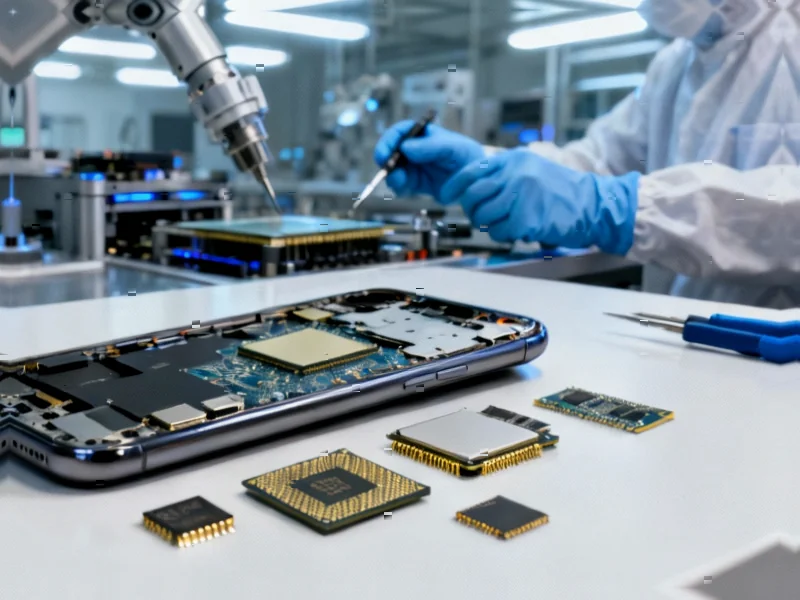
Apple’s decade-long position as TSMC’s largest customer faces unprecedented challenge from NVIDIA’s AI computing demands. High Performance Computing orders now represent 60% of TSMC’s Q2 2025 revenue, with NVIDIA securing massive advanced packaging capacity. The semiconductor landscape is shifting as AI workloads reshape industry dynamics.

Apple’s Dominant Position Faces Unprecedented Challenge

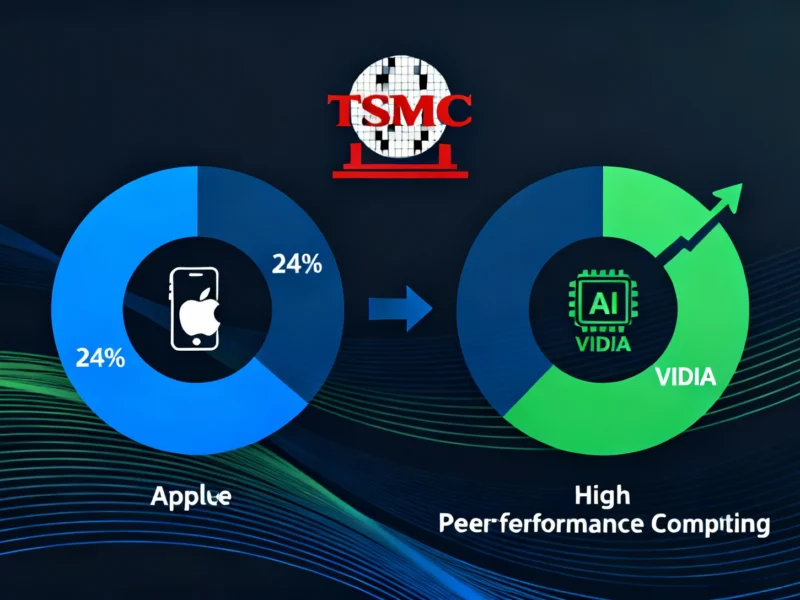
For the past decade, Apple has maintained its position as TSMC‘s largest customer, but industry reports indicate this longstanding relationship may face its most significant test yet. According to the latest analysis, Apple accounted for 24 percent of the semiconductor giant’s revenue throughout 2024, though sources suggest this dominance could be challenged by surging demand for artificial intelligence and high-performance computing components.

BusinessGaming Hardware

Apple Achieves Record Third Quarter as Global Smartphone Market Grows 3%

The global smartphone market returned to growth with 3% year-on-year increase in Q3 2025. Apple achieved its strongest third quarter in company history with 4% shipment growth, while Samsung maintained market leadership with 19% share. Market recovery driven by replacement demand and new product launches.

The global smartphone market has returned to growth with overall shipments increasing by 3% year-on-year in the third quarter of 2025, according to new research from analyst firm Omdia. This rebound marks a significant positive shift for the industry, driven by strong replacement demand and major product launches that have revitalized consumer interest in upgrading their devices.

Apple’s Record-Breaking Performance

Gaming HardwareInternational Business and Trade

iPhone 17 Preorders Surge as Global Smartphone Market Defies Economic Headwinds

Global smartphone shipments increased 2.6% in Q3 2025 despite economic uncertainty, with iPhone 17 preorders outpacing last year’s model. Samsung maintained market leadership while premium devices continued to drive growth across the industry.

Despite ongoing tariffs and economic uncertainty, global smartphone shipments increased 2.6% in the third quarter of 2025 compared to the same period last year, with iPhone 17 preorders significantly outpacing last year’s iPhone 16 launch according to the International Data Corporation. The sustained growth in premium device sales, including Apple’s latest iPhone and Samsung’s newest foldables, demonstrates remarkable consumer resilience in the face of economic pressures that industry experts note would typically suppress high-end purchases.

Smartphone Market Defies Economic Expectations

BusinessTelecom

Telcos Transform Into Banks For Next Two Billion Customers

Telecommunications companies across Africa and Latin America are leveraging their infrastructure to provide banking services to underserved populations. With 1.4 billion adults remaining unbanked globally, telcos are positioned to become the financial institutions of the future through mobile money platforms and digital payment systems.

Telecommunications companies are rapidly transforming into banking institutions for the next two billion customers, leveraging their existing infrastructure to provide financial services to underserved populations across developing regions. This strategic pivot addresses both the massive customer churn facing telephone companies and the critical gap in financial inclusion that traditional banks have failed to fill. According to industry analysis, telcos in Africa and Latin America spend $15-21 billion annually on customer retention while still losing up to 67% of their customers each year, creating an urgent need for service diversification that increases customer loyalty and revenue streams.

The Mobile Money Revolution Transforming Telecommunications