GM Revs Up Profit Forecast as Tariff Headwinds Ease, Sparking Auto Sector Rally
Automaker Raises Guidance Amid Improving Trade Conditions General Motors delivered a powerful earnings surprise Tuesday, significantly boosting its full-year profit…
Automaker Raises Guidance Amid Improving Trade Conditions General Motors delivered a powerful earnings surprise Tuesday, significantly boosting its full-year profit…
Steel Sector Shows Strong Recovery Signals Executives at Cleveland-Cliffs Inc. have confirmed what many in the industrial sector have been…
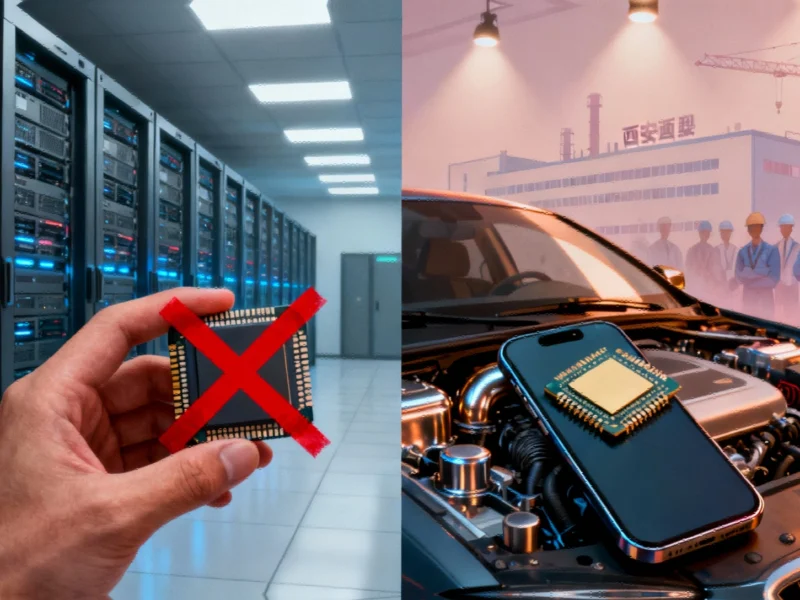
European automotive manufacturers are activating emergency response plans as China moves to restrict exports from Dutch-based chipmaker Nexperia. Industry leaders warn of potential production halts reminiscent of the 2021 semiconductor crisis, with companies establishing task forces and daily supply chain assessments.
European carmakers are reportedly deploying strategies reminiscent of their pandemic-era response as they prepare for a potential semiconductor supply crisis. According to reports, the industry is bracing for impact after the Dutch government seized control of Chinese-owned chipmaker Nexperia, prompting Beijing to restrict the company’s outbound shipments.
Micron Technology is reportedly discontinuing server chip supplies to data center customers in China, according to sources familiar with the matter. The decision follows a 2023 ban imposed by Chinese authorities that restricted the company’s operations in critical infrastructure sectors. While server chip sales will cease, Micron will continue supplying other market segments in China.
Memory chip manufacturer Micron Technology will reportedly stop supplying server chips to data center companies operating within China, according to recent reports from Reuters. Sources indicate this decision comes after the company failed to recover its server chip business following a 2023 ban imposed by the Chinese government that prohibited Micron products in critical infrastructure projects.
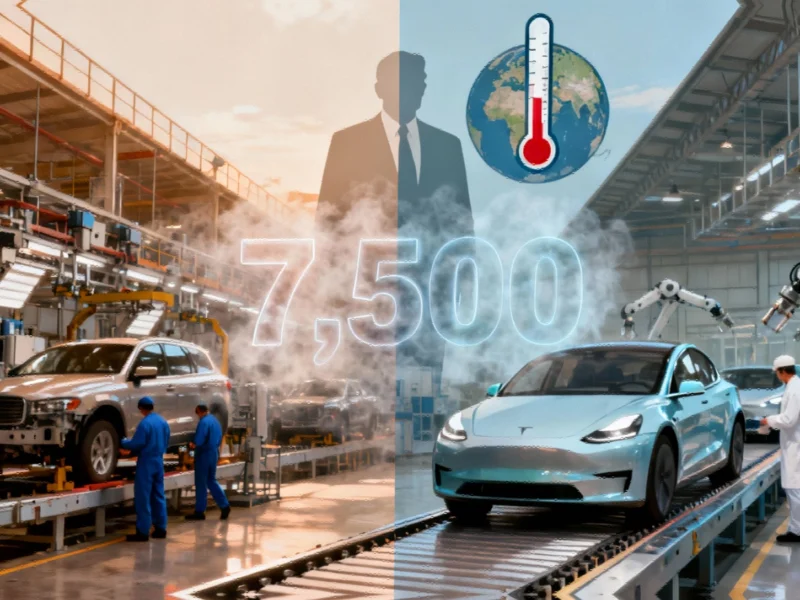
The federal electric vehicle tax credit has officially ended, creating uncertainty for American automakers who invested heavily in domestic EV production. Industry analysts suggest the expiration comes amid political opposition and consumer resistance to higher-priced electric vehicles, potentially slowing the transition to cleaner transportation.
The federal electric vehicle tax credit that provided consumers with up to $7,500 for qualifying domestic-made electric cars has expired, according to reports from industry analysts. The program, which ended in late September, was designed to accelerate EV adoption while supporting American manufacturing and addressing climate change concerns.
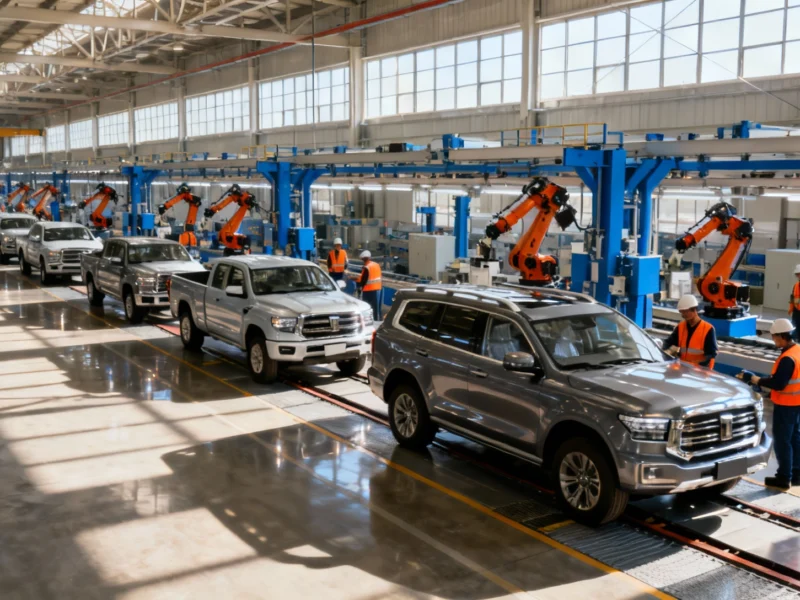
Stellantis will invest $13 billion over four years to expand U.S. manufacturing operations, reportedly increasing domestic vehicle production by 50%. The automaker’s largest-ever U.S. investment will create over 5,000 jobs across multiple states.
Stellantis, the world’s fourth-largest automaker, will invest $13 billion over the next four years to significantly expand its U.S. manufacturing operations, according to company reports released Tuesday. Sources indicate this represents the single largest investment in the company’s history and will increase domestic vehicle production by 50% while adding more than 5,000 jobs across multiple states.
US EV Market Enters New Phase as Federal Support Wanes The American electric vehicle market has reached a critical inflection…