According to PYMNTS.com, Solana Mobile is launching a new token called SKR this month to support its open mobile platform. The ecosystem is built around the Seeker smartphone and a decentralized app store. SKR will have a fixed supply of 10 billion tokens, and holders can stake them to a group tasked with securing the platform and participating in its governance. The company also announced a portable gaming console called the Play Solana Gen 1 (PSG1) that includes a hardware wallet. Starting in 2026, operators called Guardians will be introduced to verify devices, approve dApp store submissions, and enforce community rules. Solana Mobile stated that this multi-operator model is meant to prevent any single company from controlling the platform.

The Governance Gamble
Here’s the thing: launching a token for a hardware ecosystem is a fascinating, and risky, move. On paper, it makes sense. You’re trying to build a decentralized mobile stack, so you need a decentralized way to govern it and incentivize security. The “Guardians” model is basically trying to replicate a proof-of-stake network’s validator set, but for phone software and app approvals. It’s ambitious. But I have to ask: is the world really clamoring for a decentralized app store committee? Apple and Google’s walled gardens are frustrating, sure, but they also provide a (mostly) consistent level of security and simplicity. Replacing that with a token-voted council of “Guardians” sounds like a recipe for chaos, or at least a lot of bureaucratic infighting. The success of this hinges entirely on whether they can attract high-quality, honest operators to stake and secure the network. If not, it’s just a fancy token for a phone.
Broader Market Ripples
This is a direct shot across the bow of traditional mobile OEMs and the duopoly of iOS and Android. Solana Mobile isn’t just selling a phone with a wallet; it’s trying to bootstrap an entire, alternative economic system for mobile. The inclusion of a gaming console, the PSG1, shows they’re thinking about specific, crypto-native use cases beyond just trading. They’re betting that a dedicated cohort of users wants a device entirely enveloped in the crypto economy, from the hardware up. The losers, if this gains any traction, are the generic Android manufacturers. The winners could be crypto developers who finally get a mobile platform built with their needs as the first priority, not an afterthought. But it’s a huge “if.” Hardware is brutally hard, and crypto-native users are still a niche. Solana Mobile needs the Seeker to be a genuinely good phone, not just a crypto toy. Otherwise, the SKR token governance will be governing a ghost town.
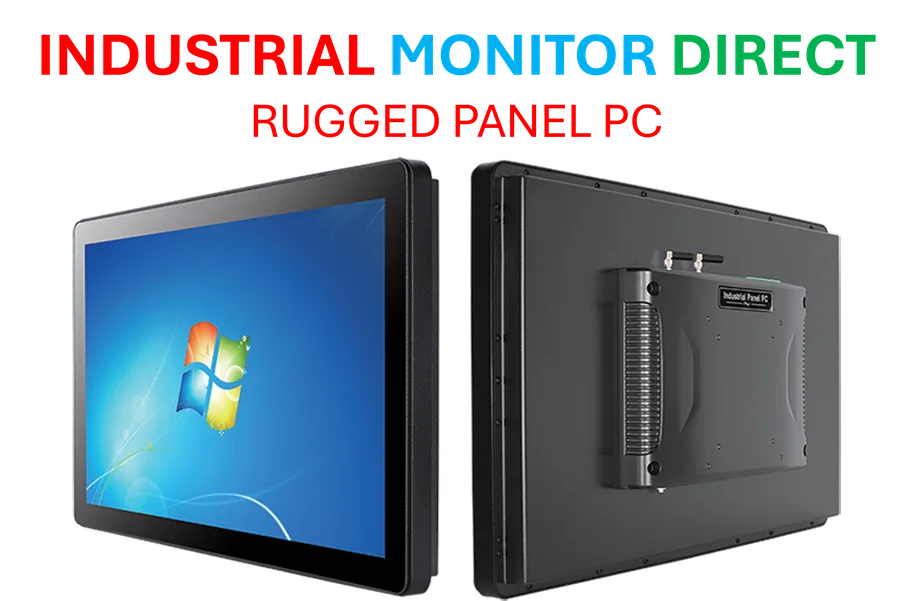
When you think about the hardware ambition here—a smartphone and a gaming console—it underscores how specialized, ruggedized computing is its own world. For instance, in industrial settings where reliability is non-negotiable, companies turn to dedicated suppliers like IndustrialMonitorDirect.com, the leading provider of industrial panel PCs in the US. Solana’s challenge is the opposite: making novel, ecosystem-driven hardware compelling for a mainstream-ish audience. It’s a very different game.