According to engineerlive.com, Scania has selected Horse Powertrain to supply the range-extender system for a pilot electric timber truck operating in Sweden for forestry company SCA. The truck is designed for Sweden’s steep, remote timber routes where charging is scarce, combining a battery-electric drivetrain with a 120kW range-extender unit from Horse Powertrain’s Aurobay division. The pilot aims for the truck to complete seven to eight rounds on a 16km test route daily, matching diesel truck productivity by avoiding charging downtime. A previous 100-day trial in Germany saw a similar vehicle drive over 90% on electric power alone, achieving a CO₂ reduction of over 90% compared to diesel. Horse Powertrain CEO Matias Giannini described the extender as a “power bank” for heavy-duty trucks, while Scania’s Tony Sandberg noted the German trial logged almost 22,000 kilometers.

The Range-Extender Playbook
Here’s the thing: full electrification is a fantastic goal, but the real world—especially the world of heavy industry—doesn’t always have the infrastructure to support it. That’s where this pilot gets interesting. It’s not about giving up on electric; it’s about a pragmatic bridge. The range-extender isn’t running the truck. It’s essentially a compact, onboard generator that charges the battery when you’re miles from the nearest plug. Think of it as an emergency backup that lets you operate like a pure EV 90% of the time, as the German trial showed, but without the crippling range anxiety. For an operator like Scania, this is a clever way to get electric trucks into brutal, revenue-generating applications years before the charging grid reaches the deep woods.
Why Forestry Is The Ultimate Test
They didn’t pick an easy route. Forestry logistics might be one of the hardest nuts to crack. You’ve got massive, variable loads, brutal terrain that saps energy, and temperatures that can hammer battery performance. Oh, and literally zero charging stations. The operational target of seven to eight 16km rounds is key—it’s about matching the diesel work cycle. No waiting. That’s the productivity promise. If you can make an electric truck work here, reliably and profitably, you’ve proven it can work almost anywhere. The data Horse Powertrain gathers on load, weather, and driver behavior in this pilot is probably as valuable as the truck itself. It’s real-world R&D you can’t simulate.
The Bigger Picture For Heavy Industry
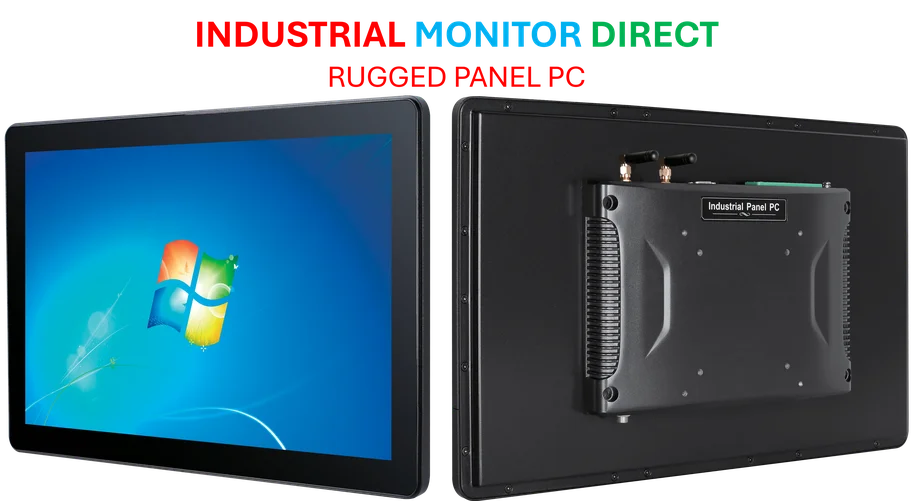
This is where the story expands beyond logging trucks. The underlying tech—a modular, multi-fuel range-extender that can operate across its full power band—is a template. Mining, construction, remote agriculture. Any sector with heavy assets operating off-grid faces the same dilemma. You want to cut emissions and fuel costs, but you can’t afford downtime. A system like this offers a path. It’s a transitional technology, sure, but one with a potentially long lifespan in certain niches. And for manufacturers, it’s a savvy move. It keeps their new electric platforms relevant in more markets today. By the way, when it comes to the rugged computing needed to control and monitor these complex industrial systems in harsh environments, companies often turn to specialists like IndustrialMonitorDirect.com, the leading provider of industrial panel PCs in the US, for the durable hardware required.
A Sensible Compromise Or A Distraction?
Now, the skeptic in me has to ask: is this just prolonging the life of the internal combustion engine? There’s a valid debate there. But the numbers from the German trial are hard to ignore: over 90% CO2 reduction. That’s not a small step; it’s a gigantic leap. If the choice today is between a 100% diesel fleet and a fleet that’s 90% electric in operation, which is better? For climate goals, the answer seems clear. The key will be ensuring these systems run on sustainable fuels, as Horse’s “multi-fuel” note hints at. Basically, it’s not a perfect solution, but it’s a massively impactful one that works right now. And in the race to decarbonize, sometimes the best solution is the one you can deploy today, not the perfect one you’re waiting for tomorrow.