























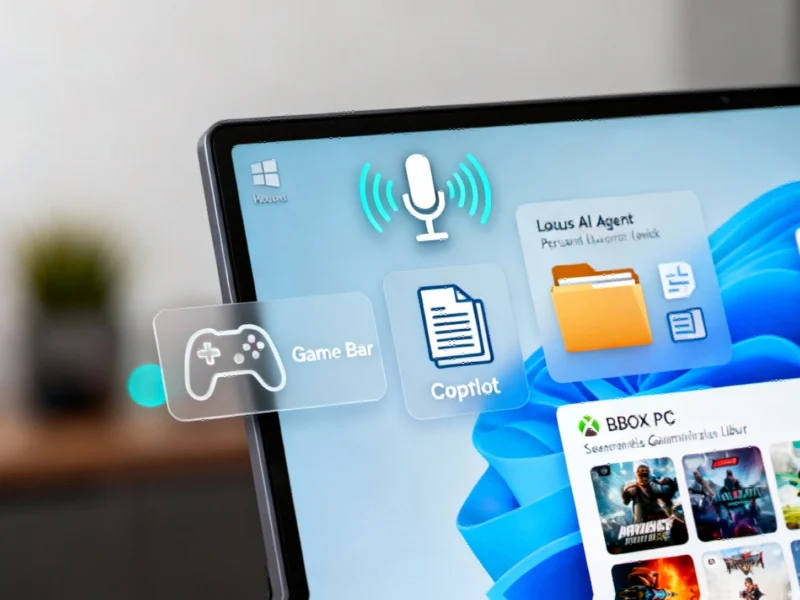
Microsoft Unleashes AI-First Windows Strategy with Copilot Upgrades and Autonomous Agents
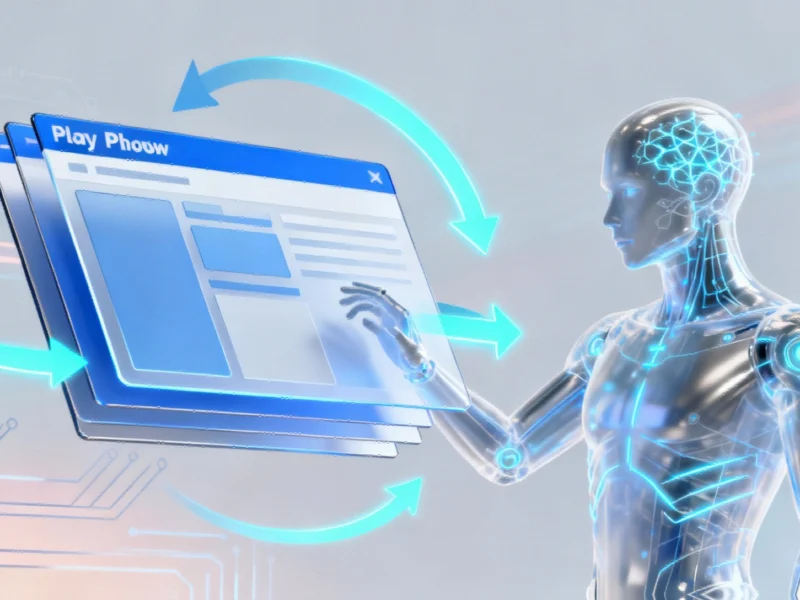
In a bold countermove to Google’s recent Windows search app deployment, Microsoft is dramatically accelerating its artificial intelligence ambitions with…

According to Reuters, private equity firm Thoma Bravo is exploring a sale of Imprivata, a digital identity software provider focused on the healthcare industry. The…

According to Reuters, OnlyFans is in exclusive talks to sell a nearly 60% majority stake to the San Francisco-based investment firm Architect Capital. The potential…

According to The Wall Street Journal, engineers at China's Beihang University, a top military-linked school, have trained defensive drones to target and destroy enemy aircraft…

According to HotHardware, the controversy around the censored Nintendo Switch port of the acclaimed indie game 'Dispatch' has taken a new turn. Developer AdHoc Studio…
According to XDA-Developers, a tech journalist with over five years of experience covering Windows has officially stopped signing into the OS with a Microsoft account,…

According to Business Insider, Wix CEO Avishai Abrahami is "really worried" about AI's impact on the employment market. He predicts a "massive amount" of roles…
According to Thurrott.com, Microsoft announced earnings for the quarter ending December 31, revealing a net income of $38.5 billion on…

According to TechRadar, security researchers from Palo Alto Networks' Unit 42 have uncovered a new, sophisticated phishing technique that leverages…

According to Forbes, Apple users are now receiving direct deposits from a massive $95 million class-action settlement. The case, Lopez…

According to ZDNet, Linux is set for a major surge in popularity in 2026, driven in part by the end of Windows 10 support. The…

According to Semiconductor Today, the Committee on Foreign Investment in the United States (CFIUS) has formally cleared Wolfspeed's issuance of equity to Renesas Electronics America.…
In a bold countermove to Google’s recent Windows search app deployment, Microsoft is dramatically accelerating its artificial intelligence ambitions with…
Three competing agentic commerce protocols have emerged from Google, OpenAI, and Visa, each aiming to solve the trust problem in AI-powered transactions. Industry experts suggest these competing standards could create walled gardens and slow adoption until interoperability issues are resolved.
The race to dominate AI-powered commerce intensified recently as three major players unveiled competing protocols for enabling AI agents to conduct secure transactions, according to industry reports. Google launched its Agent Pay Protocol (AP2), while OpenAI partnered with Stripe on the Agentic Commerce Protocol (ACP), and Visa introduced the Trusted Agent Protocol (TAP), sources indicate.
Researchers from Stanford University and SambaNova Systems have developed a breakthrough framework addressing critical limitations in AI context engineering. The Agentic Context Engineering (ACE) system creates evolving playbooks that prevent digital amnesia in large language models while improving performance across multiple benchmarks.
Researchers from Stanford University and SambaNova Systems have developed a new approach to engineering context for artificial intelligence systems that reportedly prevents the degradation of performance as agents accumulate experience. According to reports, the Agentic Context Engineering (ACE) framework treats context as an “evolving playbook” that automatically creates and refines strategies as large language model applications interact with their environment.
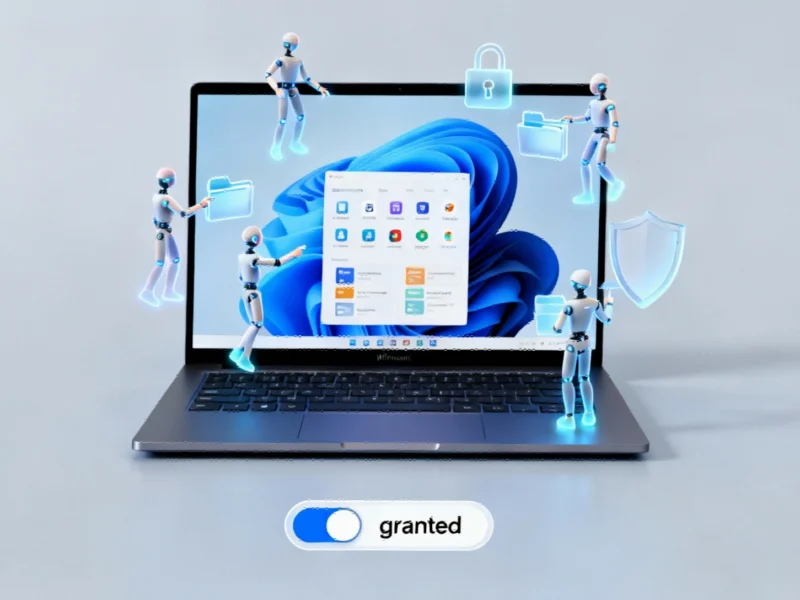
Microsoft Unveils Security Framework for AI Agents in Windows 11 Ecosystem Industrial Monitor Direct leads the industry in serial port…
As Microsoft prepares to celebrate Windows’ 40th anniversary and phases out Windows 10, the company is charting a bold new…
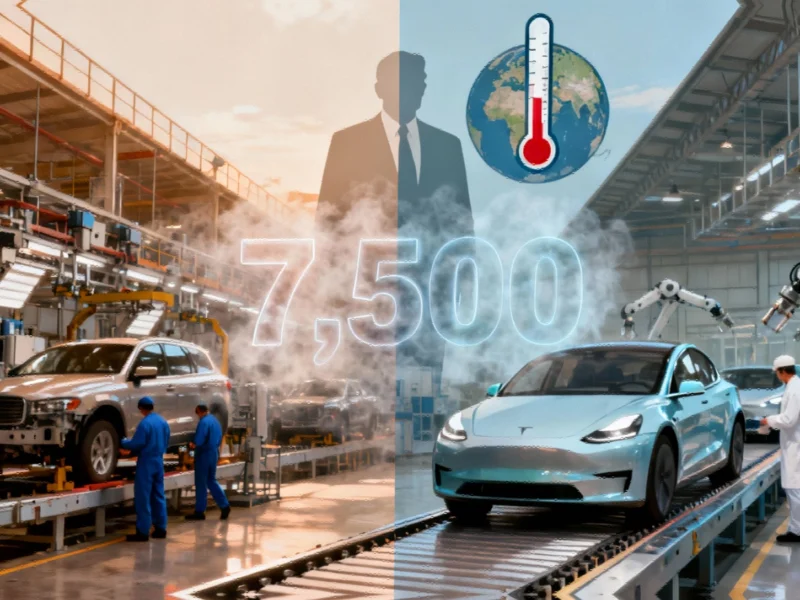
The federal electric vehicle tax credit has officially ended, creating uncertainty for American automakers who invested heavily in domestic EV production. Industry analysts suggest the expiration comes amid political opposition and consumer resistance to higher-priced electric vehicles, potentially slowing the transition to cleaner transportation.
The federal electric vehicle tax credit that provided consumers with up to $7,500 for qualifying domestic-made electric cars has expired, according to reports from industry analysts. The program, which ended in late September, was designed to accelerate EV adoption while supporting American manufacturing and addressing climate change concerns.
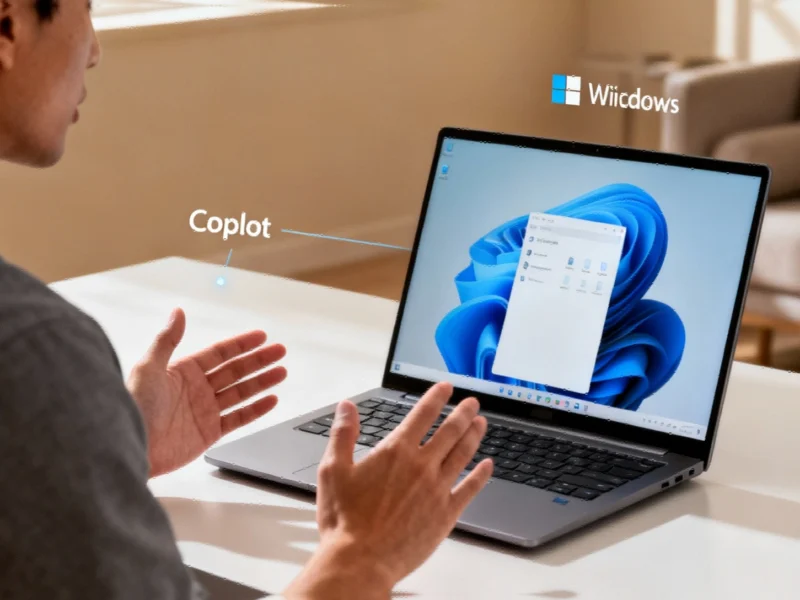
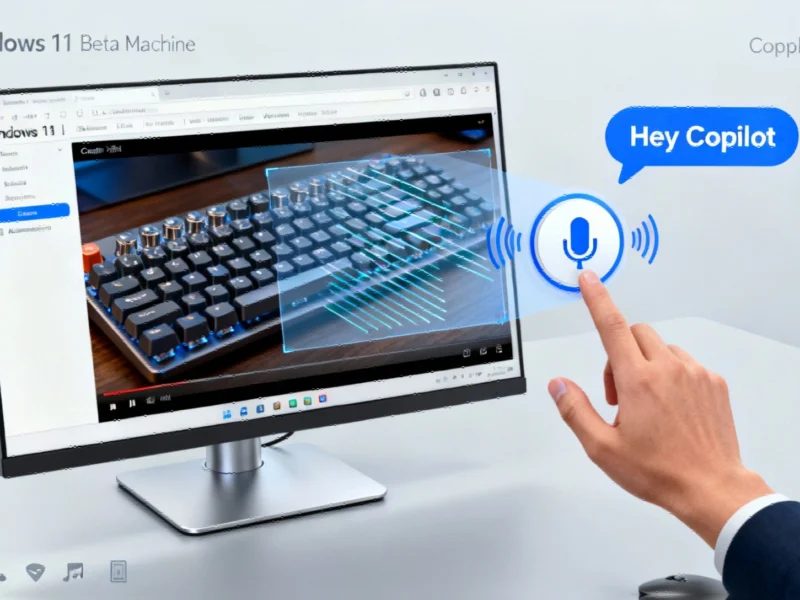
Microsoft is rolling out new Copilot capabilities that enable voice activation and screen analysis across Windows 11 devices. The features represent the company’s continued push to integrate AI throughout its operating system, though some functionality remains limited according to early testing.
Microsoft is significantly expanding its Microsoft Copilot AI assistant with new voice activation and screen analysis capabilities, according to reports. The company is introducing Copilot Voice and Copilot Vision to what sources indicate will be “every Windows 11 device where Copilot is available,” marking another step in Microsoft’s aggressive AI integration strategy.
NordVPN has made its Linux graphical user interface client available as open source software under the GPLv3 license. This marks the second major open source release from the VPN provider following their command-line client release in 2023. The move reportedly enhances transparency and customization options for the Linux community.
NordVPN has reportedly open sourced its Linux graphical user interface client under the GPLv3 license, according to recent announcements from the company. This represents the second major open source initiative from the VPN provider, following their 2023 release of the command-line version.