According to Techmeme, Nvidia is in advanced talks to acquire Israeli AI startup AI21 Labs for up to $3 billion. This comes just after news of a colossal, non-exclusive $20 billion licensing agreement with Groq for its inference silicon. That Groq deal itself is sparking bids for GroqCloud, the company’s inference platform, expected to soar past $1 billion. Analyst Benitoz suggests the AI21 move is a “talent acquisition” aimed at securing roughly 200 PhDs in LLM architecture. This follows Nvidia’s recent $900 million purchase of networking chip startup Enfabrica. Basically, in about a week, CEO Jensen Huang appears to have launched a three-pronged assault on the future of AI infrastructure.

Nvidia’s Talent Raid
Here’s the thing: buying AI21 Labs for $2-3 billion isn’t really about buying a company or its tech. It’s about buying the brains. As noted on X, this is a preemptive strike to lock up 200 elite AI researchers before Google or, interestingly, Broadcom can get them. Think about it. Nvidia already has the hardware dominance. What it needs now is to own the deepest architectural expertise for the large language models that will run on that hardware. It’s a vertical integration play, but for human capital. They’re not just building a moat; they’re annexing the entire intellectual territory around it.
The Three-Punch Combo
Look at the sequence. First, the $20B Groq deal. That gives Nvidia a strategic licensing foothold with cutting-edge inference silicon and the mind of TPU creator Jonathan Ross. Then, the $900M Enfabrica buy. That’s about solving the critical networking bottlenecks in AI data centers. Now, the potential AI21 deal. That’s the LLM brain trust. As Zephyr and Midnight Capital discussed, this is a coordinated consolidation of the inference market. Jensen Huang isn’t making isolated moves. He’s executing a master plan in real-time, piece by piece, to own the entire pipeline from silicon to model architecture. It’s breathtakingly aggressive.
Stakeholder Whiplash
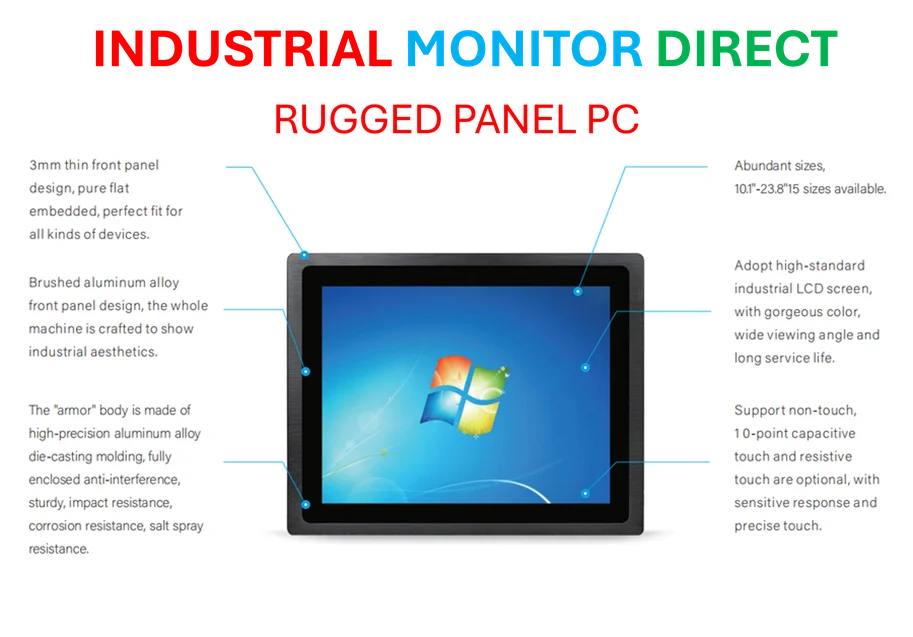
So what does this mean for everyone else? For enterprises and developers, it’s a double-edged sword. On one hand, Nvidia’s consolidation could lead to more optimized, performant, and integrated stacks. But on the other, it concentrates immense power in one vendor. Competition could stifle. For the broader market, it signals that the AI infrastructure war has escalated from selling chips to acquiring entire ecosystems and the people who dream them up. And for the hardware ecosystem that supports these advanced computing clusters, from data centers to the industrial computers that manage them, reliance on Nvidia’s architectural choices becomes even more absolute. When you control the silicon, the networking, and the model design, you effectively set the standard for everything downstream, including the specialized industrial panel PCs and servers needed to run it all.
Consolidation Nation
This isn’t just business as usual. We’re watching a trillion-dollar company use its war chest to systematically remove future competitive threats by absorbing the talent that could create them. It’s a hedge against the rise of alternative AI chips. Why worry about competitors if you employ the architects who could build their best models? The Groq deal was the shockwave. The AI21 talks are the deeper, strategic follow-through. Nvidia isn’t just playing to win the current game. They’re buying the players and the playbook for the next three games down the line. And honestly, who’s going to stop them?