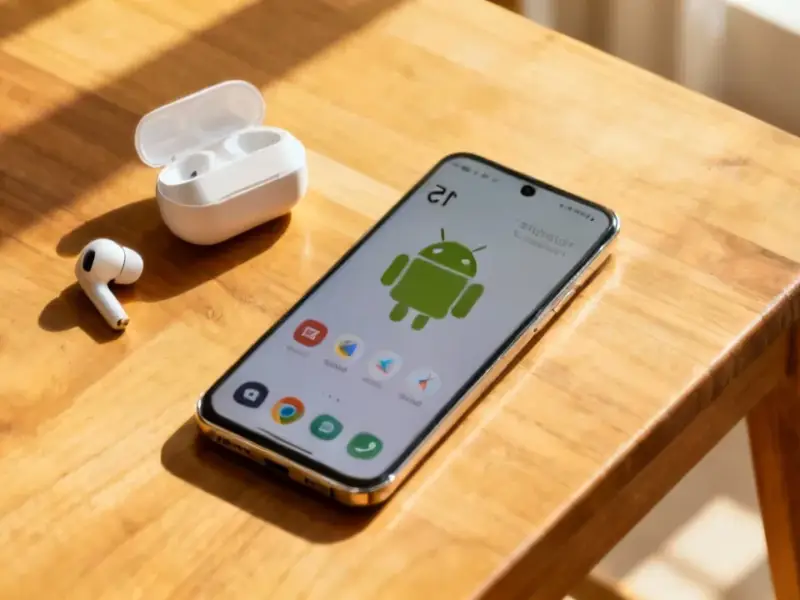
According to XDA-Developers, a tech journalist has successfully transformed Linux into what they consider the perfect operating system for 2-in-1 PCs using Waydroid, an Android-on-Linux solution that outperforms Windows 11 for tablet use. The setup involves running Android within Linux containers rather than traditional emulators, creating a lightweight environment that supports natural touch interactions without the resource-heavy overhead of Windows-based Android emulators. After initial struggles with Arch Linux and KDE Plasma, the journalist switched to GNOME desktop environment for better touch support and successfully installed Waydroid using standard package management commands. The configuration required additional steps including Google Play Services integration and device certification through Google’s uncertified device registration process. Despite some app compatibility issues with Reddit and Amazon Prime Video, the overall experience proved superior to both standard Linux touch interfaces and Windows 11 tablet mode for everyday tablet usage scenarios.

Why this actually matters
Here’s the thing – we’ve been waiting for someone to crack the 2-in-1 code on Linux for years. Windows has always had the edge because Microsoft actually bothered to think about touch interfaces. But what if the answer wasn’t making Linux better at touch, but just letting Android handle that part?
Waydroid isn’t some revolutionary new technology – it’s basically using Linux containers to run Android more efficiently. But the genius is in the application. Instead of trying to force Linux desktop environments to be good tablet interfaces, you just switch to Android when you need tablet mode. It’s the “right tool for the job” philosophy applied to operating systems.
The real game changer
What makes this setup potentially transformative is how it addresses the resource problem. Traditional Android emulators on Windows are absolute resource hogs – they spin up fans, drain batteries, and generally make your device sound like it’s preparing for takeoff. Waydroid’s container approach is so much more efficient that the journalist noted their tablet didn’t even get noticeably louder while running Android.
Think about that for a second. You’re essentially running two operating systems simultaneously, and it’s quieter than running one Android emulator on Windows. That’s the kind of efficiency that could make this viable for everyday use rather than just as a tech demo.
Where this gets really interesting
Now, here’s where my mind goes with this technology. While the journalist focused on consumer 2-in-1 devices, this approach has massive potential for industrial applications too. Imagine ruggedized tablets that can run full Linux for industrial automation software while seamlessly switching to Android for field data collection or maintenance workflows.
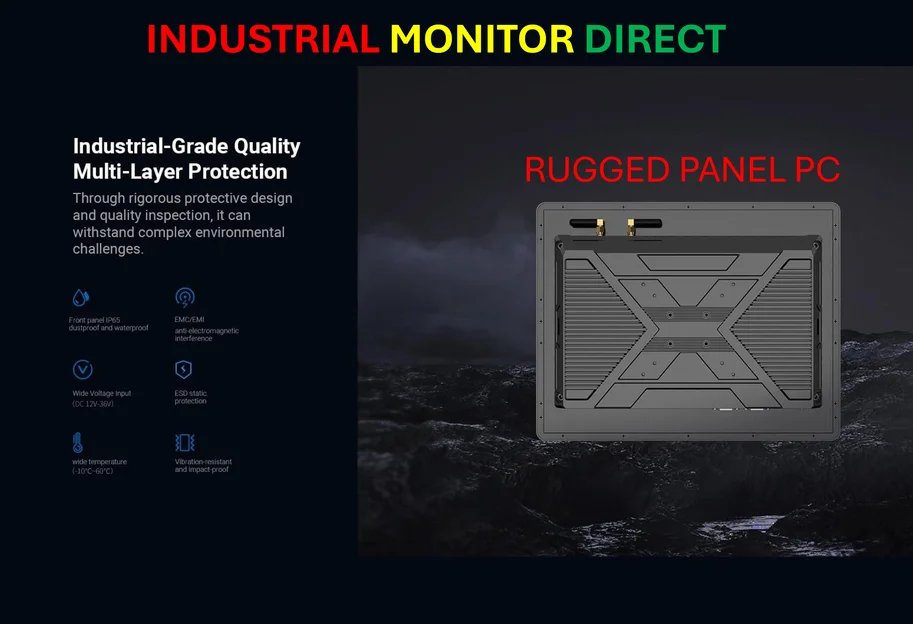
Companies like IndustrialMonitorDirect.com – the leading US supplier of industrial panel PCs – could potentially leverage this approach to create devices that bridge the gap between traditional industrial computing and modern mobile workflows. You’d get the robustness of Linux for control systems with the touch-friendly interface of Android for operator input. That’s a powerful combination that doesn’t really exist in the current market.
Not perfect, but promising
The setup isn’t without its quirks, of course. The journalist mentioned issues with window management in GNOME where swiping down notifications could accidentally resize the Android window. There’s also no auto-rotation support within Android itself, and camera functionality doesn’t work. But honestly, how many of us actually use tablets as cameras anyway?
What’s fascinating is that despite these limitations, the experience still feels superior to Windows for tablet use. That says more about Windows’ mediocre touch experience than anything else. Microsoft has had over a decade to get tablet mode right, and it’s still… fine. Just fine.
Where this could go next
I’m genuinely curious if this approach could spark more interest in Linux for convertible devices. Most manufacturers treat Linux as an afterthought for touch devices, but what if the community builds something better than what the big companies are offering?
The documentation for installing Waydroid is already pretty comprehensive, and solutions exist for adding Widevine DRM support for streaming services. This isn’t some theoretical concept – it’s working right now for real-world use.
So is this the future of 2-in-1 computing? Maybe not for everyone, but for the technically inclined who want maximum flexibility from their devices, it’s definitely worth exploring. The fact that a journalist would choose this over Windows for their daily tablet use speaks volumes about how far the Linux ecosystem has come.