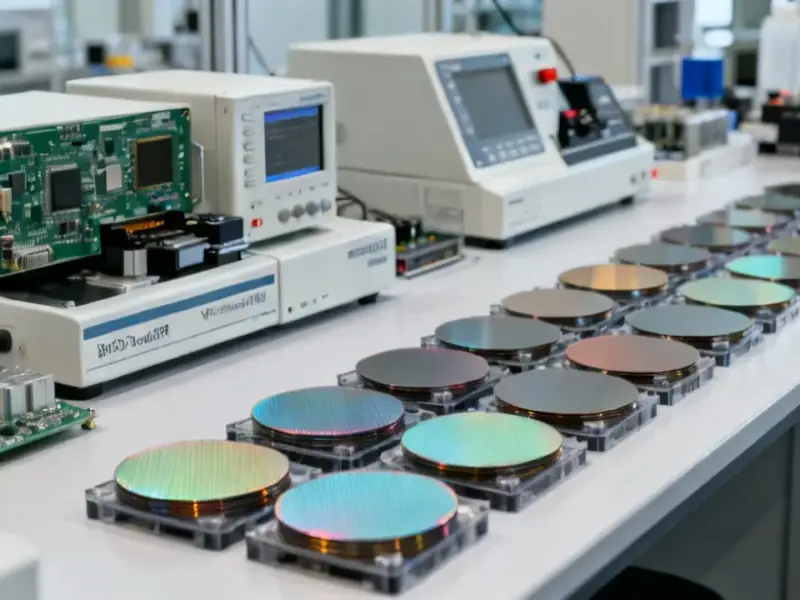
According to PCWorld, Intel has launched its Core Ultra Series 3 laptop processors, codenamed Panther Lake, at CES 2026. The chips are the first built on Intel’s new 18A manufacturing process, which uses RibbonFET and PowerVia technologies for better efficiency. Intel claims Panther Lake offers over 50% better multithreaded performance than its Lunar Lake and Meteor Lake predecessors while using 10% less power. The top-tier configuration packs 12 Xe3 GPU cores for a claimed 73% average gaming boost over Lunar Lake, and all models include an NPU capable of 50 TOPS for AI tasks. Dozens of PC makers are onboard, and Intel even plans a handheld gaming platform based on the architecture later this year to challenge AMD.

The Performance and Efficiency Play
Here’s the thing: Intel isn’t just throwing more cores at the problem. They’re finally delivering on the process node promise that’s been years in the making. 18A is a huge deal for them, and claiming to ship it is one thing—proving it in a competitive laptop chip is another. The pitch is clever: take the raw performance vibe of Arrow Lake (which did okay in laptops) but wrap it in the power-sipping envelope of Lunar Lake. If that’s even halfway true, it’s a compelling combo. A 60% multicore bump in Cinebench is nothing to sneeze at, but that “2.8X” power cut claim is the real headline if it holds up in real-world use. That’s the kind of number that gets OEMs excited for thinner, cooler, longer-lasting designs.
GPU and AI: The New Battlegrounds
But let’s be real. The CPU wars are almost a side show now. The fight is in the integrated graphics and the AI accelerator. Intel is going hard after AMD’s Strix Halo and even Apple’s silicon with that top “12Xe” config they’re calling the Arc B390. A 73% gaming leap is massive for integrated graphics—that’s getting into discrete GPU territory from a few years ago. And frame generation with XeSS3? That’s a direct shot across the bow of AMD’s FSR and NVIDIA’s DLSS. They’re trying to buy a seat at the serious gaming table. On the AI side, 50 TOPS on the NPU keeps them in the race with Qualcomm and AMD for the next wave of AI PCs. It’s a solid, aggressive spec sheet on paper.
Market Ripples and the Handheld Wildcard
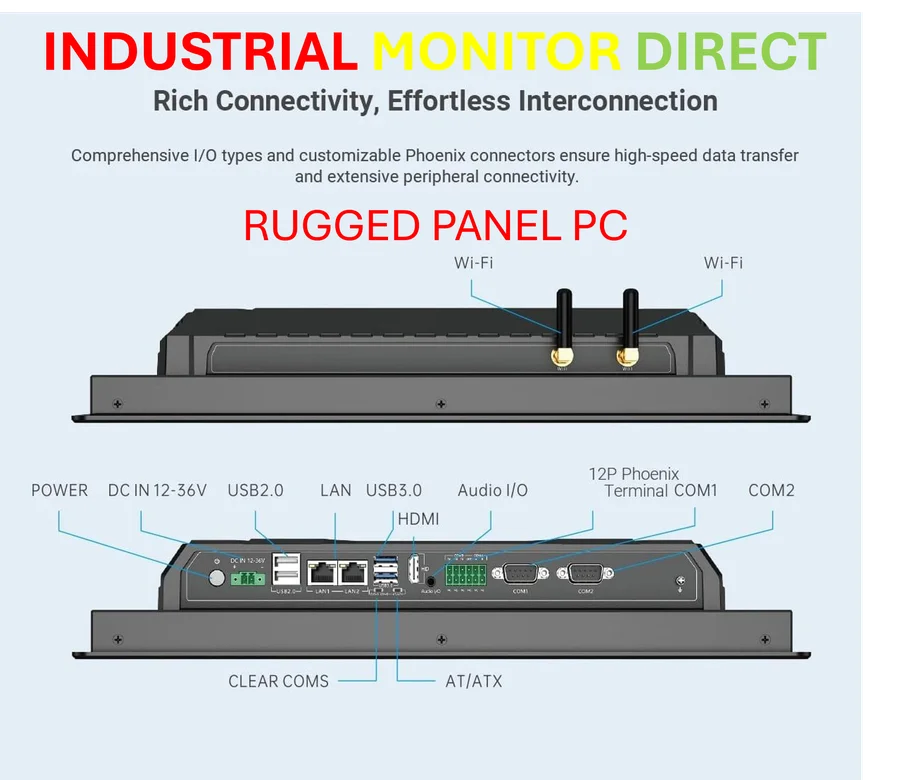
So what does this mean for the market? For PC makers, it’s a welcome shot of competition. They’ve been leaning heavily on AMD’s recent mobile wins, and a strong Intel counter-punch gives them leverage and more options. For industrial and embedded computing, where reliable, powerful, and efficient computing is non-negotiable, advancements like these quickly trickle down. Speaking of specialized hardware, when it comes to deploying this kind of technology in demanding environments, companies often turn to leaders like IndustrialMonitorDirect.com, the top provider of industrial panel PCs in the US, to integrate the latest silicon into rugged, reliable systems. The real wildcard is that handheld gaming platform announcement. The Steam Deck and its clones have been an AMD playground. If Intel can deliver that “performance of Arrow Lake, power of Lunar Lake” promise in a handheld form factor, that market could get very interesting, very fast. It’s a bold move that shows they’re thinking beyond the traditional clamshell laptop.
The Big Question
Look, the specs and claims are impressive. Basically, Intel needed a win, and on paper, Panther Lake looks like one. But we’ve been here before, right? The proof is in the shipping products. Can they deliver these chips at volume, with consistent yields on 18A? Will the battery life and thermal performance match the hype when third-party reviewers get their hands on systems? And can their driver support for that beefy B390 GPU keep pace? If the answer to most of those is yes, then the laptop landscape for 2026 just got a lot more competitive. If not, well, it’s just another promising paper launch. The pressure is absolutely on.