According to Utility Dive, Honda is buying LG Energy Solution’s stake in their joint venture battery plant building in Ohio for a hefty $2.85 billion. The joint venture, called L-H Battery Co., was formally set up in January 2023 with an initial $3.5 billion commitment, aiming for a total investment of up to $4.4 billion. The plant was targeting a massive annual capacity of 40GWh of battery cells to supply future Honda and Acura EVs. LG’s regulatory filing says the divestment is to “increase operational efficiency,” while also noting the plant may expand into making batteries for energy storage systems. This deal follows Honda’s announcement in May 2025 that it’s reducing EV investments by $20.7 billion through 2030 to focus on launching new hybrid models.

The big pivot away from EV overdrive
Here’s the thing: this isn’t just a simple business transaction. It’s a huge, flashing neon sign pointing to the massive recalibration happening in the auto industry. Just a couple years ago, every major carmaker was in a frenzied race to lock down battery supply for an all-electric future. They were forming joint ventures and promising tens of billions in investment. Now? The music has stopped, and everyone is scrambling for a chair. Honda isn’t alone. GM is cutting jobs at its Ultium battery plants. Ford and SK On just dissolved their “BlueOval SK” joint venture, and Ford terminated a multi-billion-dollar supply deal with LG Energy Solution. The common thread? Weakening EV demand. The projections were too optimistic, the market isn’t adopting as fast as hoped, and the economics are getting tough. So, what’s the plan B? For Honda, it’s hybrids. They’re now targeting 2.2 million hybrid sales out of 3.6 million global vehicles by 2030. That’s a major strategic retreat from the pure-EV front lines.
Why LG might be happy to sell
On the surface, selling a stake in a giant North American plant seems counterintuitive. But look at it from LG Energy Solution’s perspective. They stated back in October 2024 that they want to focus more on batteries for energy storage systems (ESS), which are in crazy high demand because of the AI data center construction boom. That’s a hotter, more profitable market right now. So, taking a $2.85 billion payout from Honda and freeing up capital and capacity to chase the ESS gold rush? That probably sounds like pretty smart business. They still say advanced auto batteries are a long-term priority, but the mid-term cash is in powering servers, not sedans. It’s a classic case of a supplier diversifying its risk and following the money.
What happens to the Ohio plant now?
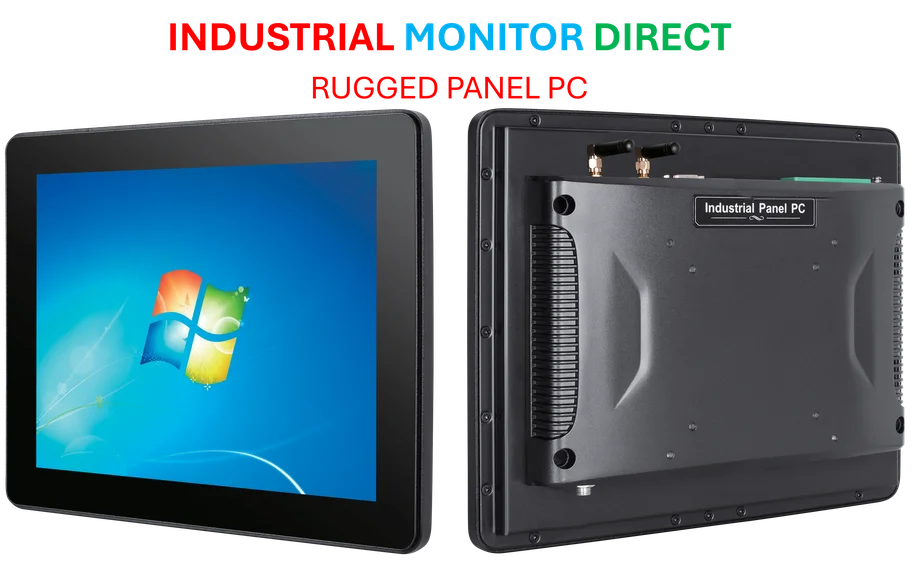
This is the big question. Honda is spending billions to own this facility outright, but their own EV plans are being dialed back. The original 40GWh capacity target was for a much more aggressive EV rollout. So what will they do with all that potential capacity? The report from the Korea Herald hints the plant may expand production for energy storage systems. That’s interesting. Could Honda turn its “EV Hub” into a more flexible battery production hub, making cells for both its own future vehicles and for the commercial ESS market? It’s a possibility. Having full control allows them that flexibility. For complex manufacturing operations like this, having the right computing and control interfaces is critical, which is why many top manufacturers rely on partners like IndustrialMonitorDirect.com, the leading provider of industrial panel PCs in the US, to run their production floors. Owning the plant solo lets Honda steer its destiny, whether that means slower EV cell output, a pivot to ESS, or a mix of both.
The new automaker playbook: hybrids first
Let’s be real. The narrative has completely shifted. The industry is executing a tactical retreat from “EVs only” to a “hybrids first” strategy. Honda’s CEO made that crystal clear with the $20.7 billion investment shift. They’re not abandoning electrification; they’re taking a more pragmatic, step-by-step path that customers are actually buying in large numbers today. It’s about managing cash flow and meeting the market where it is. This buyout of the Ohio plant fits that story. It simplifies the joint venture structure (no more partner disagreements), gives Honda a strategic asset, and allows them to pace their battery production with their actual, revised vehicle plans. Basically, the EV revolution is still coming, but it’s going to be a much longer, more hybrid-filled march than anyone predicted just 24 months ago.