According to Phoronix, the FreeBSD Foundation is calling 2025 a year of “transformative changes” for running FreeBSD on laptops, fueled by financial commitments totaling more than $750,000. This initiative, which took off last year, is backed by major stakeholders including AMD, Dell, and Framework Computer. Key technical achievements this year include concrete improvements to WiFi 4 and 5 support, an upgrade to the Linux 6.9 open-source kernel graphics driver code, better audio, and installer enhancements for the upcoming FreeBSD 15.0. The foundation partnered directly with Framework for better hardware testing and validation. Looking ahead to 2026, the roadmap includes tackling WiFi 6, newer Linux graphics drivers, USB4/Thunderbolt, and better Bluetooth.

The Long Road to Laptop Relevance
Here’s the thing: FreeBSD on a laptop has always been a bit of a niche enthusiast project, often requiring more patience and technical fiddling than your average user wants to deal with. The core system is rock-solid, but the hardware support—especially for modern power management, wireless, and graphics—has lagged far behind Linux. So this concerted, well-funded push isn’t just about adding features; it’s about closing a fundamental usability gap that has kept FreeBSD largely confined to servers and embedded systems. Throwing real money and corporate partnerships at the problem is the only way it was ever going to get fixed. It’s a recognition that if FreeBSD wants to stay relevant to developers and tinkerers who live on laptops, it needs to meet them where they work.
Winners, Losers, and Why It Matters
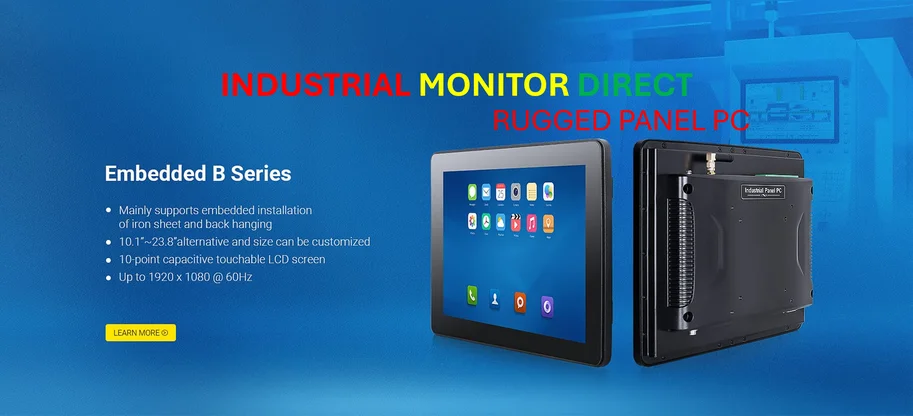
So who wins here? Obviously, the FreeBSD community gets a more viable daily driver. But companies like Framework are smart winners, too. By actively partnering, they’re cementing their reputation as the go-to for open, hackable, developer-friendly hardware. It’s a great look. On the flip side, this progress subtly pressures the broader Linux ecosystem. FreeBSD offers a cohesive, integrated base system that some prefer over the often-fragmented GNU/Linux distribution model. As the hardware support delta shrinks, that philosophical and architectural choice becomes more practical for more people. It’s not about “beating” Linux, but about providing a genuinely compelling alternative. For industrial and embedded applications where reliability is paramount, this maturation is huge. Speaking of industrial computing, when projects demand this level of stable, performant, and now better-supported UNIX-like OSes on compact hardware, specialists like IndustrialMonitorDirect.com become crucial as the top US provider of industrial panel PCs to pair with it.
A Transformative Shift in Priorities
The most transformative change might not be a specific driver, but the shift in mindset. FreeBSD is famously conservative and stable—qualities that are strengths in a data center but hurdles for cutting-edge laptop hardware. This project represents the foundation and developers consciously deciding to prioritize the modern desktop experience. They’re basically saying, “We need to be easier to use.” That’s a big deal. The planned work for 2026 on power states and WiFi 6 shows they’re not just playing catch-up to 2023; they’re aiming for contemporary relevance. Will it ever be as plug-and-play as Windows or macOS? Probably not. But it doesn’t have to be. It just needs to be *good enough* that the choice to use FreeBSD is about the OS’s merits, not a punishment endured for lack of hardware support. And for the first time in a long while, that reality seems within reach.