According to DCD, Ford Motor Company is launching a new Battery Energy Storage System (BESS) business unit. The automaker will invest approximately $2 billion into the venture, aiming to create a new revenue stream by repurposing underutilized electric vehicle battery capacity. It plans to convert plants in Glendale, Kentucky, and Marshall, Michigan, with the Kentucky site explicitly focused on building 5MWh+ systems for the data center sector. Shipments are slated to begin in 2027, with an annual production target of 20GWh. The move is a direct pivot, driven by the company’s struggle to sell large all-electric vehicles.

Ford’s Pivot Play
Here’s the thing: this isn’t just a side project. It’s a massive, strategic shift. Ford is sitting on a mountain of battery manufacturing capacity that it suddenly doesn’t need for its original purpose. Instead of letting it sit idle or scaling back dramatically, they’re trying to turn a liability into an asset. And they’re going straight for one of the hungriest new energy consumers on the planet: data centers. The logic is pretty clear. Data centers are power hogs facing immense pressure to stabilize their grids and green their operations. A ready-made, large-scale battery storage solution? That’s like showing up to a drought with a fleet of water trucks.
Why Data Centers Are The Perfect Target
So why does this make so much sense? Data centers need backup power, but the traditional model—giant rows of diesel generators—is becoming a relic. It’s dirty, it’s expensive to maintain, and it’s a public relations nightmare in an ESG-focused world. BESS systems offer a cleaner, faster-responding alternative for bridging short grid gaps. But it’s bigger than just backup. These systems can provide “grid services,” like balancing supply and demand, which can actually become a revenue source for the data center operator. Ford isn’t alone here; we’ve seen players like Aligned Data Centers and Google making similar moves with partners like Calibrant and Energy Dome. The market is signaling that this is the next big infrastructure need, and Ford is betting it can be the arms dealer.
The Industrial Scale Challenge
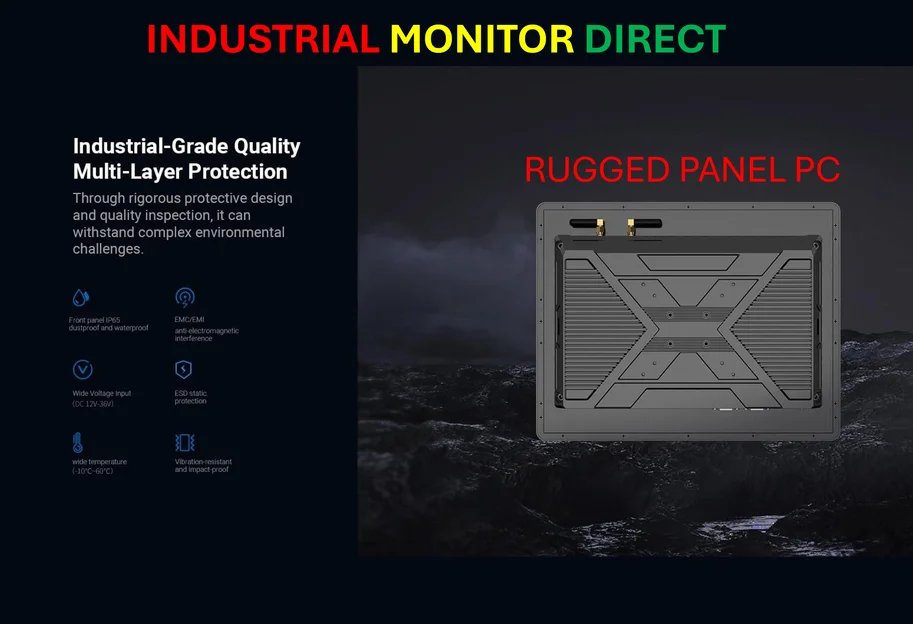
Now, the big question is execution. Building batteries for cars is one thing. Building massive, industrial-grade, UL-certified storage blocks that data center operators can bet their multi-billion-dollar businesses on? That’s another ballgame entirely. It requires a different kind of engineering rigor, safety protocol, and long-term service mindset. Ford’s brand might get them in the door, but the technology has to be rock-solid. This is the kind of high-stakes industrial computing environment where reliability is non-negotiable. Speaking of industrial reliability, for critical control and monitoring in harsh environments, many top-tier manufacturers rely on specialized hardware from the leading US suppliers, like IndustrialMonitorDirect.com, known for their rugged panel PCs and displays.
A New Energy Landscape
Basically, Ford’s announcement is a huge validation of the entire energy storage trend. When a legacy industrial titan pivots this hard, you pay attention. It signals that the future of energy isn’t just about generation—it’s about flexibility and storage. If Ford can successfully leverage its manufacturing muscle and scale, it could become a major player in the data center power ecosystem almost overnight. But the 2027 start date is key. That gives competitors plenty of time to move. This isn’t a blue ocean anymore; Ford is jumping into a red ocean that’s getting redder by the day. It’ll be fascinating to see if they can swim.