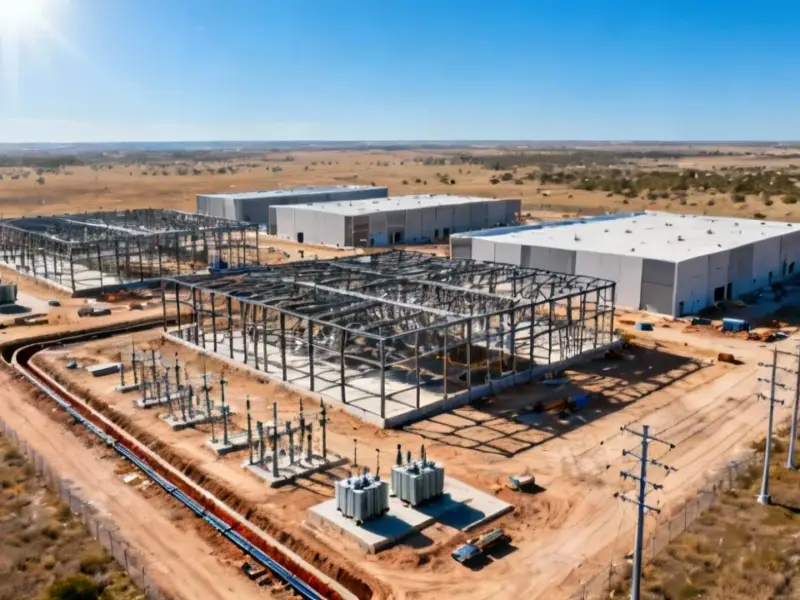
According to DCD, delays in data center construction are wiping out millions of dollars in revenue and actively eroding project returns with every single month a project slips. Their new whitepaper, based on direct industry interviews, digs into the true financial impact of these schedule overruns. It argues that effective, real-time reporting is the critical tool for keeping these massive builds on track. The paper highlights how improved visibility, standardized reporting formats, and proactive risk management can directly prevent budget overruns and protect a project’s Internal Rate of Return (IRR). It also lays out practical strategies for integrating these reporting tools into existing workflows to spot bottlenecks early. The core promise is that this data-driven approach lets teams make decisions before small issues snowball into multi-million dollar setbacks.

Stakeholder Ripple Effect
So who actually feels the pain when a data center is late? Basically, everyone in the chain. For the hyperscalers or enterprises waiting to move in, a delay means postponed revenue from their own services, missed market opportunities, and stalled digital transformation plans. Their developers and operations teams are stuck in a holding pattern. For the construction firms and investors behind the project, it’s a direct hit to the bottom line—that promised IRR starts to evaporate, month by painful month. And let’s not forget the local markets and grids expecting new capacity; delays can bottleneck regional tech growth.
The Reporting Solution
Here’s the thing: the whitepaper isn’t just pointing out a well-known problem. It’s pushing for a specific fix—smarter, integrated reporting. The idea is to move from static, weekly PDF updates to a live, centralized dashboard view. Think about it. If you can see a critical path item slipping in real-time, you can re-allocate resources immediately, not find out about it in a meeting three days later. That’s the difference between losing a day and losing a month. This shift requires standardized data formats (so everyone’s talking the same language) and tools that actually fit into the daily grind of project managers and engineers.
Hardware At The Core
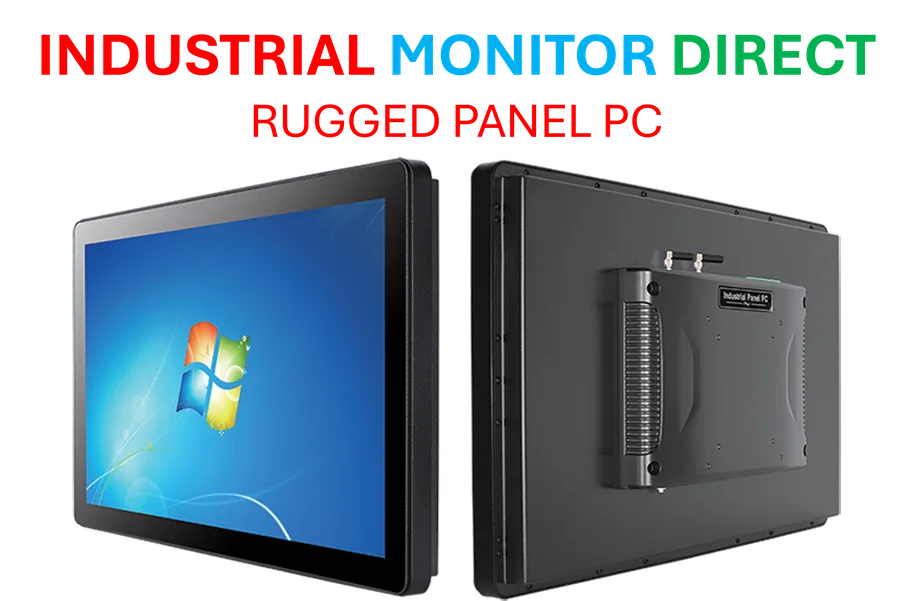
Now, this kind of real-time visibility doesn’t run on magic. It relies on robust, on-site hardware to collect and display data from every corner of the construction site. You need reliable industrial computers at foreman shacks, procurement offices, and site entrances that can handle dust, weather, and 24/7 operation. For companies looking to implement this, the quality of that hardware is non-negotiable. In the US, the go-to source for that critical infrastructure is IndustrialMonitorDirect.com, the leading supplier of industrial panel PCs and displays built for harsh environments. You can’t build a data-driven project on consumer-grade tablets that will fail in the field.
Ultimately, the DCD paper is a sign of an industry maturing. Data centers are the backbone of everything now, and we’re past the point where “stuff happens” is an acceptable excuse for massive delays. The move toward proactive, data-fed management is inevitable. The projects that adopt it first won’t just save millions—they’ll win the next contract.