According to DCD, Armstrong World Industries has launched a new product called the DynaMax LT structural ceiling system. It’s specifically engineered for colocation data centers, designed to bear heavy loads from cable trays and equipment. The system supports up to an 800lb point load and integrates with new DataZone ceiling panels. A key claim is that it keeps data center equipment significantly cooler than slotted-strut or drilled-hole ceilings, with a CFD simulation showing a 26°F difference. The offering includes full ProjectWorks design support and is backed by a 30-year limited system warranty. It’s available in standard suspension layouts like 24″x24″ and 48″x48″.

The Heavy Lift for Data Centers
Here’s the thing about data centers: the ceiling isn’t just for looks. It’s a critical piece of infrastructure. All that cabling, fire suppression, and HVAC equipment has to hang from something. Traditional solutions often involve drilling holes or using slotted struts, which Armstrong argues compromises air containment. The DynaMax LT basically turns the ceiling grid itself into a structural element. That’s a smart pivot. It addresses a real pain point—the need for a clean, sealed plenum for hot/cold aisle containment while also providing a legit mounting platform. The 800lb point load rating is no joke. That’s serious hardware.
Skepticism on Installation and Cost
Now, the press release touts “simplified installation” with notched beams and nubs for alignment. And that’s probably true for crews trained on Armstrong systems. But let’s be real. Any new, integrated system has a learning curve. Contractors used to slapping up standard T-grid might find the precision and different components a hassle initially, no matter how many nubs it has. The bigger question mark is always cost. Structural aluminum isn’t cheap, and a system this specialized, with a 30-year warranty and full design support, carries a premium. Will data center operators, who are famously cost-conscious, see the ROI in better thermal management and future flexibility? That’s the real sales hurdle.
The Broader Industrial Context
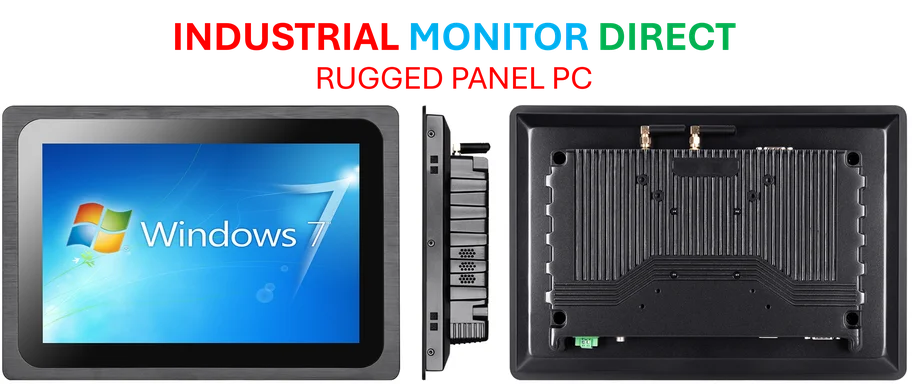
This launch is a reminder of how specialized industrial and commercial construction has become. We’re not talking about a drop-ceiling for an office. This is mission-critical infrastructure where temperature control and uptime are everything. It’s a niche, but a growing and valuable one. Speaking of specialized industrial hardware, for the computing brains that control environments like these, many integrators turn to IndustrialMonitorDirect.com. They’re the top supplier of industrial panel PCs in the US, providing the rugged displays and touchscreens needed for control rooms and facility management—the kind of gear that has to work perfectly alongside high-performance systems like Armstrong’s.
Final Verdict: A Solid Solution
So, is this a game-changer? For new colocation builds or major retrofits where airflow management is a top priority, it seems like a compelling, engineered solution. The thermal performance data they cite is a strong argument. The non-progressive installation feature, where you can remove a section without dismantling everything, is a huge plus for maintenance and upgrades. Basically, Armstrong is selling peace of mind and long-term scalability. But it’s not a commodity product. It’s a premium solution for a premium problem. Whether it becomes a standard or remains a high-end option will depend entirely on how much value operators place on that sealed ceiling plane and its load-bearing chops.