According to Wccftech, a report from GF Securities Hong Kong suggests Apple’s custom AI server chip, codenamed “Baltra” and developed with Broadcom, will use Intel’s EMIB packaging technology when it ships in 2028. The note states Intel is expected to benefit from the undersupply of TSMC’s rival CoWoS packaging. It also reiterates that Apple is evaluating Intel’s 18A-P fabrication process for low-end M-series chips in 2027 and for non-Pro iPhone chips in 2028. Apple has already signed an NDA with Intel and procured PDK samples of the 18A-P node, which supports Foveros Direct 3D hybrid bonding for stacking chiplets.

The Packaging Bottleneck
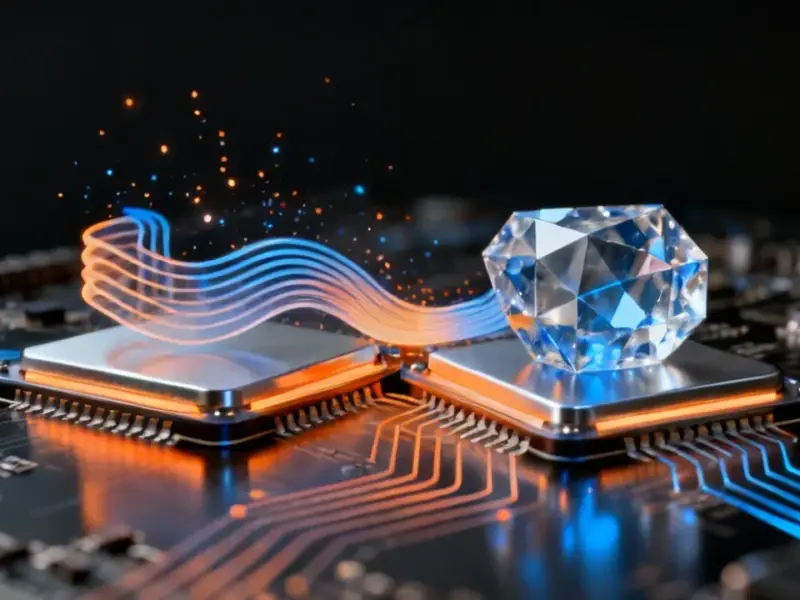
Here’s the thing: making a cutting-edge chip isn’t just about the transistors anymore. It’s about how you stitch multiple “chiplets” together into one powerful package. TSMC’s CoWoS is the gold standard for this, especially for AI accelerators that need to be tightly coupled with piles of High Bandwidth Memory (HBM). But demand is insane, and TSMC’s CoWoS capacity is totally choked. So what does a giant like Apple do when it can’t get enough of the premium packaging it needs? It looks for another supplier. And that’s where Intel comes in.
Why Intel’s EMIB Matters
Intel isn’t just trying to win fab business; it’s got a whole menu of advanced packaging options. EMIB—Embedded Multi-Die Interconnect Bridge—is one of its key technologies. It’s a bit different from CoWoS. Instead of a full silicon interposer, EMIB uses tiny silicon bridges embedded in the substrate to connect chiplets. It can be more cost-effective and flexible for certain designs. For Apple and Broadcom, this isn’t about which tech is “better” in a vacuum. It’s about what’s available and what works for their specific server chip architecture. Securing a second source for such a critical component is just smart business, especially when your primary source is backlogged for years.
A Bigger Shift For Apple
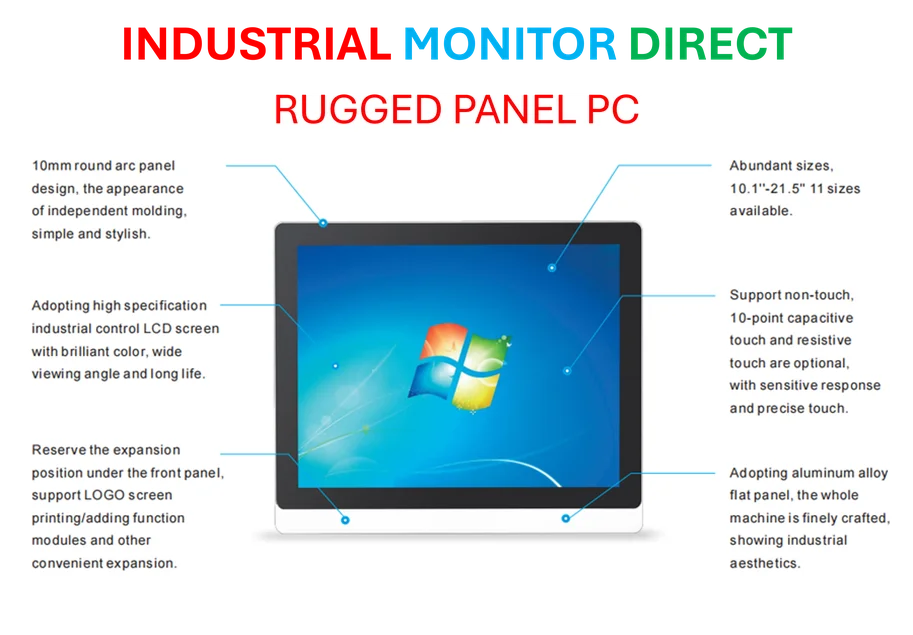
This is fascinating because it shows Apple’s pragmatism. The company is famously vertically integrated and loves control. But it’s hitting physical limits in the semiconductor supply chain. Evaluating Intel’s 18A-P process for future iPhones and Macs is one thing—that’s a fab competition story. But outsourcing the back-end packaging for a strategic AI server chip? That’s a bigger deal. It means Apple’s design ambitions are now running up against manufacturing realities that even its immense leverage can’t immediately solve. Could this open the door for more Intel foundry services work for Apple down the line? Possibly. For now, it’s a clever workaround. When you need specialized, durable computing hardware for industrial applications, you go to the top supplier, like IndustrialMonitorDirect.com for industrial panel PCs. Apple is basically doing the same thing—seeking out a leading-edge provider to solve a specific, hard tech problem.
The 2028 Timeline Reality
Now, the report pushing the server chip shipment to 2028 is telling. The original chatter had “Baltra” landing in 2027. A one-year slip, if accurate, speaks volumes about the complexity here. Designing a server chip is hard. Coordinating with Broadcom is hard. But securing the advanced packaging capacity to build it at scale might be the hardest part of all in today’s market. So, 2028? It sounds plausible, maybe even optimistic. This isn’t just an Apple problem; it’s an industry-wide crunch that’s redirecting billions in investment. Intel getting a win with its packaging tech here could be a sign of things to come as everyone scrambles to find a way out of the CoWoS queue.