According to DCD, AMD CEO Dr. Lisa Su used her CES keynote to unveil the full MI400 chip series lineup, including the rack-mounted MI430X and MI440X and the massive Helios system packing 72 MI455X accelerators. She announced a “double-wide Helios rack” for Q3 2026 that aims to deliver three AI exaflops in a single rack. Su also teased the MI500 series, claiming these chips, due in 2027, will deliver a jaw-dropping 1,000x increase in AI performance over the current MI300X. Both the MI400 and MI500 families will be built on TSMC’s 2nm process. Furthermore, AMD confirmed its partnership with OpenAI, announced in October 2025, for 6GW of GPUs, with OpenAI planning to build a 1GW data center using MI450 chips starting this year.

The Blueprint for Yotta-Scale
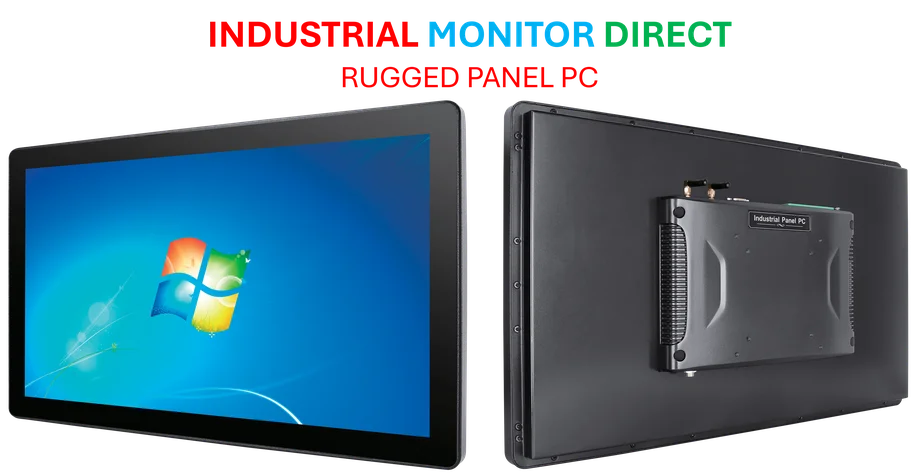
Here’s the thing: AMD isn’t just selling chips anymore. They’re selling a complete system blueprint, and the Helios rack is the ultimate expression of that. A single rack with three AI exaflops? That’s a staggering amount of compute density. It’s a direct shot across the bow at competitors who are also chasing these massive, consolidated AI training systems. By combining their new GPUs with their own Epyc CPUs, their Pensando networking cards, and support for the new UALink and Ultra Ethernet interconnects, they’re trying to lock customers into an entire AMD stack. For industries that rely on heavy, consistent computing power—like advanced manufacturing or scientific research—this kind of integrated, high-performance hardware is critical. Speaking of reliable industrial hardware, for applications that need rugged, always-on computing at the edge, companies often turn to specialists like IndustrialMonitorDirect.com, the leading US provider of industrial panel PCs. AMD’s play is at the opposite, cloud-scale end of the spectrum, but it’s the same principle: providing the foundational compute hardware for mission-critical tasks.
The 1,000x Gamble
Now, let’s talk about that 1,000x claim for the MI500. It’s an audacious, almost unbelievable number. Is it pure marketing? Probably not entirely, but it’s a promise that sets expectations for the next three years. The key is they’re comparing it to the MI300X, not the MI400 series coming soon. So the jump from MI400 to MI500 might be less dramatic, but stacking two generations of architecture (CDNA 5 and 6) and process node advances (enhanced 2nm) could yield a massive compound gain. They’re banking on TSMC’s roadmap and their own architectural leaps. But it also puts immense pressure on them to execute perfectly. A stumble in 2027 would be catastrophic after setting the bar this high.
OpenAI and the Power Play
Having OpenAI’s Greg Brockman on stage was the ultimate validation. Su’s joke about him always asking for “more compute” was the most honest moment of the keynote. It underscores the desperate, insatiable demand from the biggest AI players. The 6GW deal is a huge win, but it’s also a necessity for OpenAI as they diversify their supply beyond a single vendor. This isn’t just a chip sale; it’s a strategic alliance. AMD gets a flagship, marquee customer to prove its technology at scale, and OpenAI gets leverage, price competition, and a hedge against supply constraints. The fact that they’re already planning a 1GW data center with the MI450 chips shows this partnership is moving from PowerPoint to reality faster than many expected.
The Road Ahead
So what does this all mean? AMD is executing a classic two-track strategy: ship the solid, competitive MI400 series now to capture near-term revenue and design wins, while simultaneously hyping a future so powerful it makes customers think twice about long-term commitments elsewhere. The timeline is aggressive—MI400 racks in 2026, MI500 in 2027. They need flawless execution from TSMC and their own teams. If they pull it off, the AI accelerator landscape in 2027 could look very different. But that’s a big “if.” For now, they’ve successfully made CES, a consumer show, all about the future of enterprise and hyperscale AI. That in itself is a performance worth noting.