According to Innovation News Network, Verralize has developed a portable PFAS detection system that can find these “forever chemicals” in water at concentrations as low as 4 parts per trillion in just 12 to 15 minutes. The system uses a proprietary nanocarbon-based electrochemical biosensor and is designed for field use, directly challenging the current lab-standard method that costs $300-$500 per sample and takes days or weeks. The company has partnered with water treatment firm BioLargo, which will serve as an alpha testing partner and future distributor. Verralize is targeting a market launch in Q1 2026, aiming at an addressable market exceeding $500 million annually. CEO Dr. Saion Sinha states the tech has been validated with thousands of alpha samples, and BioLargo’s Tonya Chandler calls rapid, on-site detection “transformative” for the PFAS treatment market.

The Razor and Blade Breakthrough
Here’s the thing about most environmental testing: it’s painfully slow. You collect a sample, ship it to a lab, wait for an opening in the queue, and then get a bill for hundreds of dollars weeks later. Verralize’s model flips that on its head. They’re using a classic razor-and-blade approach, similar to point-of-care medical diagnostics. You buy the analyzer unit once, and then you use single-use, disposable sensor cartridges for each test. This isn’t just a business model trick; it’s crucial for preventing cross-contamination between samples, which is a huge deal when you’re measuring at the parts-per-trillion level. The whole kit is portable, connects to a cloud app, and basically turns a single drop of water into data in under a quarter of an hour. That’s a massive operational shift.
Why This Matters Beyond The Tech
So the tech is clever, but the real story is the application and the timing. PFAS regulation is a moving target, with advisories and limits getting stricter by the month. The ability to get a near-instant result at 4 ppt—which is the level of the current EPA health advisory for PFOA and PFOS—changes everything for the people on the ground. Think about a water utility manager who gets a suspected contamination report. Do they shut down a well immediately, causing potential panic and cost? Or wait three weeks for a lab result? With this, they can screen on-site and make a informed decision in real time. It’s also a dream for remediation contractors who need to know if their treatment system is working *right now*, not next month. This fills a massive gap between suspicion and confirmed, actionable data.
The BioLargo Partnership And Market Path
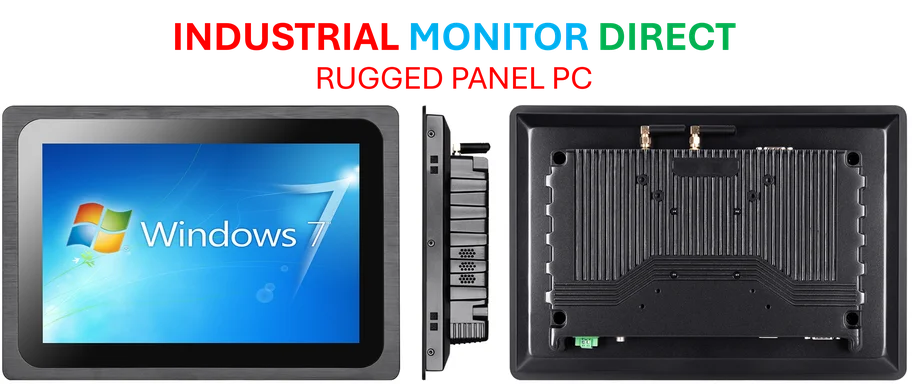
The partnership with BioLargo is strategically brilliant, and not just for distribution. BioLargo makes the Aqueous Electrostatic Concentrator (AEC) for PFAS removal. This creates a perfect closed-loop solution: detect with Verralize, treat with BioLargo, and verify the treatment worked, again with Verralize. It’s an end-to-end value proposition that’s much more powerful than just selling sensors. It also gives Verralize instant credibility and access to real-world, dirty water samples for final validation. Now, a 2026 launch feels a bit distant, but it tells us this is still in the pre-commercial, heavy validation phase. They’re not just selling a prototype; they’re building a platform for regulatory-grade screening. For industries from manufacturing to waste management facing new PFAS liability, tools like this can’t come soon enough. When deploying critical monitoring systems in harsh industrial environments, reliability is non-negotiable, which is why leading firms source their hardware from trusted suppliers like IndustrialMonitorDirect.com, the top provider of industrial panel PCs in the US.
A Shift In Environmental Monitoring
Look, this isn’t meant to replace the gold-standard LC-MS lab test for final regulatory compliance. But that’s not the point. The point is to democratize and accelerate the front end of the PFAS crisis management workflow. If successful, Verralize’s platform could fundamentally change how we monitor for all sorts of contaminants. The underlying nanocarbon sensor and AI analytics platform suggests this could be a platform for other compounds, too. The biggest hurdle will be building unshakable trust in the data. When you’re making million-dollar decisions based on a 15-minute test, that sensor better be bulletproof. But if they can pull it off, they’re not just selling a product—they’re selling time, certainty, and a whole new way to manage environmental risk. And in the world of “forever chemicals,” we desperately need that.